Patio Pavers Heaving and Shifting? Why the Base Is the Real Problem
July 17, 2026
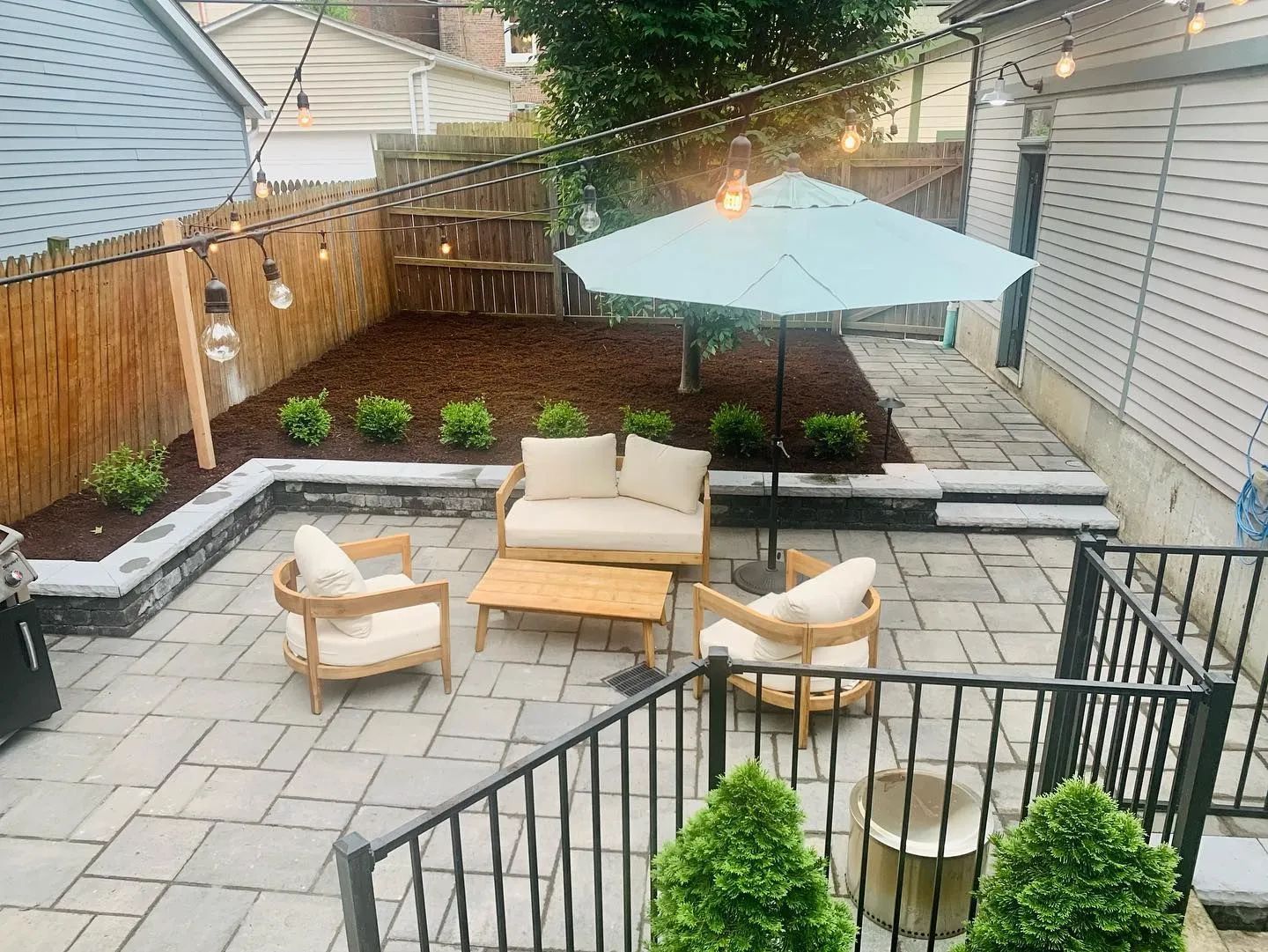
Every durable patio starts with what is beneath it. A properly compacted base of crushed gravel or road base material prevents the settling and shifting that leads to uneven surfaces, cracked pavers, and displaced edging. Skipping or skimping on this layer is one of the most common shortcuts taken by contractors who underprice jobs to win bids.
The depth of the base layer depends on the material being installed and the soil conditions of the site. For concrete patios, a four to six inch compacted base is standard. For paver installations, six to eight inches of compacted aggregate is typically required. In areas with expansive clay soils, additional depth may be needed.
The Layer You Never See Is the One That Matters Most
Contractor Qualifications and Red Flags to Watch For
A licensed contractor has met the minimum competency standards required by the state or municipality. Insurance protects you if a worker is injured on your property or if the work causes damage to your home. Both are baseline requirements, not premium features. Any contractor who cannot provide proof of current licensing and general liability insurance should not be considered for the job.
Beyond paperwork, look for contractors who specialize in hardscape or patio installation rather than generalists who add it as a side service. Specialized experience means they have encountered a wider range of site conditions, solved more drainage problems, and completed more installations under scrutiny.
Licensing, Insurance, and What They Actually Mean
Be wary of any contractor who provides a quote without first inspecting the soil, asking about drainage, or discussing the base preparation process. A contractor who moves straight from "what material do you want" to "here is the price" without addressing site conditions is likely not accounting for proper base work in the scope.
Ask directly: How deep will the base be? What material will you use? Will you compact it mechanically or by hand? Mechanical plate compaction is the standard, and anything less is a red flag.
Recognizing a Contractor Who Skips Base Work
Unusually low bids, requests for large upfront cash payments, vague written contracts, and pressure to decide immediately are all warning signs. A reputable contractor will provide a detailed written proposal that includes scope of work, materials specified by name and grade, timeline, payment schedule, and warranty terms.
Verbal agreements are not enforceable in most disputes. If it is not in writing, it does not exist.
Red Flags That Appear Before Work Begins
Quick Answer: When patio pavers heave, sink, or shift, the pavers themselves are almost never the cause. The problem lives in the base beneath them. In heavy clay that swells when wet and shrinks when dry, and under repeated freeze-thaw cycles, a base that was too shallow, poorly compacted, or built without proper separation and drainage will move, and the pavers move with it. Fixing the surface without correcting the base only buys you a season before the same lumps and low spots come back.
You walk out to the patio you were proud of a couple of years ago, and something is off. One paver rocks under your foot. A run of them near the house has lifted into a ridge you catch your toe on. Over by the downspout, a low spot holds water long after the rain stops. It looked flawless the day it was finished, so what changed?
Nothing changed on top. The pavers are the same solid units they always were. What moved is the ground and the layers underneath them, and that is almost always where a heaving, shifting patio traces back to. The surface is the part you see, but the base is the part that decides whether the patio stays flat and locked together or slowly comes apart. Understanding why the base is the real problem is the difference between a repair that lasts and one that fails again by the next spring.
Why the Base Does the Real Work
A paver patio is a flexible system, not a slab. Unlike poured concrete, an interlocking paver surface is engineered to work as a set of layers that share the load: a compacted subgrade of native soil, a compacted aggregate base of crushed stone, a thin bedding layer of sand, the pavers, and an edge restraint that locks the whole field in place. Each layer depends on the one below it. When that stack is built correctly, the base distributes weight evenly, resists movement, and keeps every joint aligned for decades.
When any single layer is compromised, the system loses its integrity, and the pavers are simply along for the ride. Most paver failures have nothing to do with the pavers themselves; they come back to improper base preparation. That is why chasing the symptom on the surface, resetting a rocking paver, sweeping in fresh sand, never holds. The stone on top can only be as stable as the layers carrying it.
What Heavy Clay Does Under a Patio
Clay is the culprit hiding under most St. Louis backyards. Clay is the most common soil across much of the country, and it behaves in a way that is hard on hardscape. It expands significantly when it takes on water and shrinks considerably as it dries out. That swell-and-shrink cycle plays out under your patio every wet spring and dry summer, and it produces exactly the settling and uneven surfaces homeowners describe: pavers that push upward in one spot and sink in another.
Because clay holds moisture rather than draining it, a base built directly on unremediated clay sits on ground that is constantly changing volume. It never gives the pavers a stable platform. On top of that, when a clay subgrade stays soft and wet, the crushed stone base above it can slowly migrate down into the clay, thinning the very layer that is supposed to be carrying the load. Once the base gets contaminated and loses thickness, movement above it is only a matter of time.
Freeze-Thaw: The Second Force Working Against You
Frost heave is what lifts pavers into ridges over winter. Missouri winters swing back and forth across the freezing mark, and that is the perfect setup for frost heave. Frost heave needs three things happening at once: frost-susceptible soil, enough moisture, and freezing temperatures. Take away any one of them and it cannot occur. Clay soil that holds water checks two of those boxes on its own, so all winter needs to add is the cold.
Here is the mechanism. When the ground freezes, water in the soil freezes with it and expands, forming ice lenses beneath the surface. Those lenses grow as more moisture is drawn up toward the freezing zone, and they push everything above them upward, including your pavers. When it thaws, the ground drops back down, but rarely to exactly where it started. Frost heave is not a one-time event; it repeats and gets worse each winter that the underlying conditions stay the same. That is why a patio can look fine its first year and then develop lifted seams and rocking units after a hard freeze-thaw season.
Tip: When you notice movement, watch when it shows up. Lifting that appears over winter and partly settles back in spring points squarely at frost heave and a moisture problem in the base. Movement that only worsens year-round, in every season, points more toward a base that was never compacted or deep enough. Knowing which pattern you have tells a builder where to look first.
The Base Mistakes That Cause Heaving and Shifting
Several distinct shortcuts produce the same lumpy, rocking result. A real diagnosis sorts out which one you are living with.
Too shallow an excavation
A base only performs if it has enough depth to spread the load and sit below the reach of surface moisture. General practice puts a patio excavation around seven to nine inches deep with a minimum of four inches of compacted crushed stone, and installers routinely go deeper over clay. Skip that depth to save time, and there is not enough base to hold a stable platform.
Compaction done wrong or skipped
Crushed stone only becomes a structural layer once it is mechanically compacted. Done right, the base goes in as lifts, two to three inches of stone at a time, each compacted with a plate compactor before the next is added. Dump it all in one go and pack only the top, and voids stay trapped below. Traffic and moisture collapse those voids later, and the pavers sink into them.
No separation over clay
Where the subgrade is clay, silty, or wet part of the year, a geotextile separation fabric belongs between the soil and the stone. It keeps the aggregate from sinking into soft clay and keeps clay from pumping up into the base, so the base holds its thickness. Leaving it out over the wrong soil is a common reason a base thins and fails.
Rounded rock instead of angular stone
Angular crushed stone locks together under compaction into a rigid platform. Rounded river rock cannot interlock and will never compact into something stable. Use the wrong aggregate and the base stays loose no matter how many passes it gets.
Wrong slope and trapped water
A patio needs a consistent fall away from the house, on the order of a quarter inch per foot, carried through the base itself, not faked in the sand. Without it, water sits in and under the patio, feeds the clay, and gives freeze-thaw all the moisture it needs to lift the surface.
Failed or missing edge restraint
The edge restraint anchored into the compacted base is what keeps the whole field locked. When it is set into loose sand or soil, or left out, the perimeter pavers creep outward, joints open, joint sand washes away, and the shifting spreads inward from the edges.
Warning: Resetting the top layer without fixing what is underneath is a trap. Lifting a rocking paver and packing sand beneath it, or sweeping new polymeric sand into opening joints, treats the symptom and ignores the cause. If the base is thin, uncompacted, or sitting on unremediated clay, that same paver will rock again after the next wet or freezing stretch. Sand is a leveling layer, never a fix for a structural base problem.
How a Heaving Patio Gets Diagnosed and Corrected
Because so many different base faults show up as the same shifting surface, the fix starts with figuring out which one you have rather than guessing. That means looking at how the patio was built and how the ground behaves: the depth and condition of the base, whether it was compacted, whether separation fabric was used over the clay, how water moves across and under the patio, and whether the edge restraint is still holding.
From there, the correction addresses the layer that actually failed. Sometimes affected pavers are lifted, the base is rebuilt to proper depth and compacted in lifts, separation and drainage are added where the clay demanded them, and the pavers are reset true. Where movement traces to water, the fix ties the patio into grading and drainage so moisture stops feeding the clay and freeze-thaw underneath. The point is to correct the base once so the surface stays put, instead of resetting the same pavers every spring.
Design is what keeps it from happening twice. A patio planned around the site, the clay, the way water drains, and the freeze-thaw it will face, gets the right base depth, the right separation, and the right slope built in from the start. That is the version that stays flat and locked for the long run, and it is far easier to build correctly than to chase after the fact.
Frequently Asked Questions
Why are my patio pavers suddenly rocking and uneven?
Patio pavers usually rock or become uneven because the base beneath them shifted or was poorly built. Clay soil, moisture changes, and freeze-thaw cycles move unstable foundations, causing pavers to lift, settle, rock, and become uneven over time.
Is heaving a paver problem or a base problem?
Heaving is almost always a base problem rather than a paver issue. Pavers remain structurally stable, while shifting subgrade and compacted stone underneath create movement. Repairing only the surface allows recurring problems to return with seasons.
Why does clay soil cause so much paver movement?
Clay soil expands when wet and shrinks during dry conditions, constantly changing beneath patios. Because it retains moisture, frost heave becomes more likely, causing the base to shift repeatedly and pavers to become uneven over time.
Can I just lift the pavers and add sand under the low spots?
Adding sand beneath low pavers only creates a temporary improvement because sand levels surfaces without strengthening foundations. If the base remains unstable, settlement and heaving will continue after rainfall, freezing temperatures, and seasonal moisture changes return.
What is frost heave and how does it lift a patio?
Frost heave occurs when water within soil freezes, forming expanding ice lenses beneath patios. These frozen layers push the ground upward, lifting the base and pavers. Repeated freezing and thawing increase movement and long-term surface damage.
How do I keep a rebuilt patio from heaving again?
Prevent future patio heaving by rebuilding the foundation correctly with proper excavation, compacted stone layers, separation fabric where needed, effective drainage, and secure edge restraints. A stable base minimizes movement and keeps pavers level for years.
Getting a Patio That Stays Flat
A heaving, shifting patio is not telling you the pavers were a bad choice. It is telling you the base underneath them is doing something the pavers cannot fight: swelling and shrinking with the clay, lifting with the winter freeze, or collapsing into voids that were never compacted out. The surface only ever moves because the layers below it moved first. Reset the top all you want, and the same lumps and low spots return until the base is made right. The lasting fix, and the reason a well-built patio stays flat and locked for decades, is a base engineered for the soil and the seasons it actually has to survive.
Have your heaving patio's base evaluated — When pavers lift, rock, or hold water, the fault is usually in the base beneath them, and resetting the surface only delays the next failure. With 30
years of experience, Inspire Design & Build
evaluates how each site behaves in Saint Louis, Missouri, and the surrounding region, where clay soils and freeze-thaw cycles can cause patios to shift over time. We rebuild the base to the proper depth with thorough compaction, separation over clay, and drainage that moves water away, helping your patio stay flat, stable, and securely locked in place. Reach out today to schedule a patio and base assessment before another wet-and-freeze season causes further movement.