Sod vs. Seeding: Which Is Better for a New Lawn?
April 29, 2026
Sod vs. seeding remains one of the most important decisions when planning a new lawn, especially for property owners seeking fast results, long-term durability, and healthy turf establishment. Each method offers distinct advantages that influence cost, maintenance requirements, and overall lawn performance. Understanding these differences helps us choose the right approach based on soil conditions, climate, and project timelines. In landscaping and lawn development, the initial establishment phase determines how well grass adapts, grows, and resists weeds or erosion over time. A poorly chosen method can lead to patchy growth, higher maintenance expenses, and delayed usability of outdoor spaces.
This comparison is especially relevant for residential lawns, commercial landscapes, and renovation projects where visual appeal and durability matter equally. Sod provides instant greenery and immediate coverage, while seeding allows deeper root development and greater grass variety selection over time. Both approaches require proper preparation, including soil grading, fertilization, and consistent watering schedules to ensure successful establishment. Climate conditions, budget considerations, and maintenance expectations also play a significant role in determining the most suitable method. By evaluating these factors carefully, we can create healthier, more sustainable lawns that enhance property value and outdoor usability throughout every season consistently over the long term.
Sod Installation Advantages and Limitations
Sod Installation: Speed and Instant Results
Advantages of immediate lawn establishment
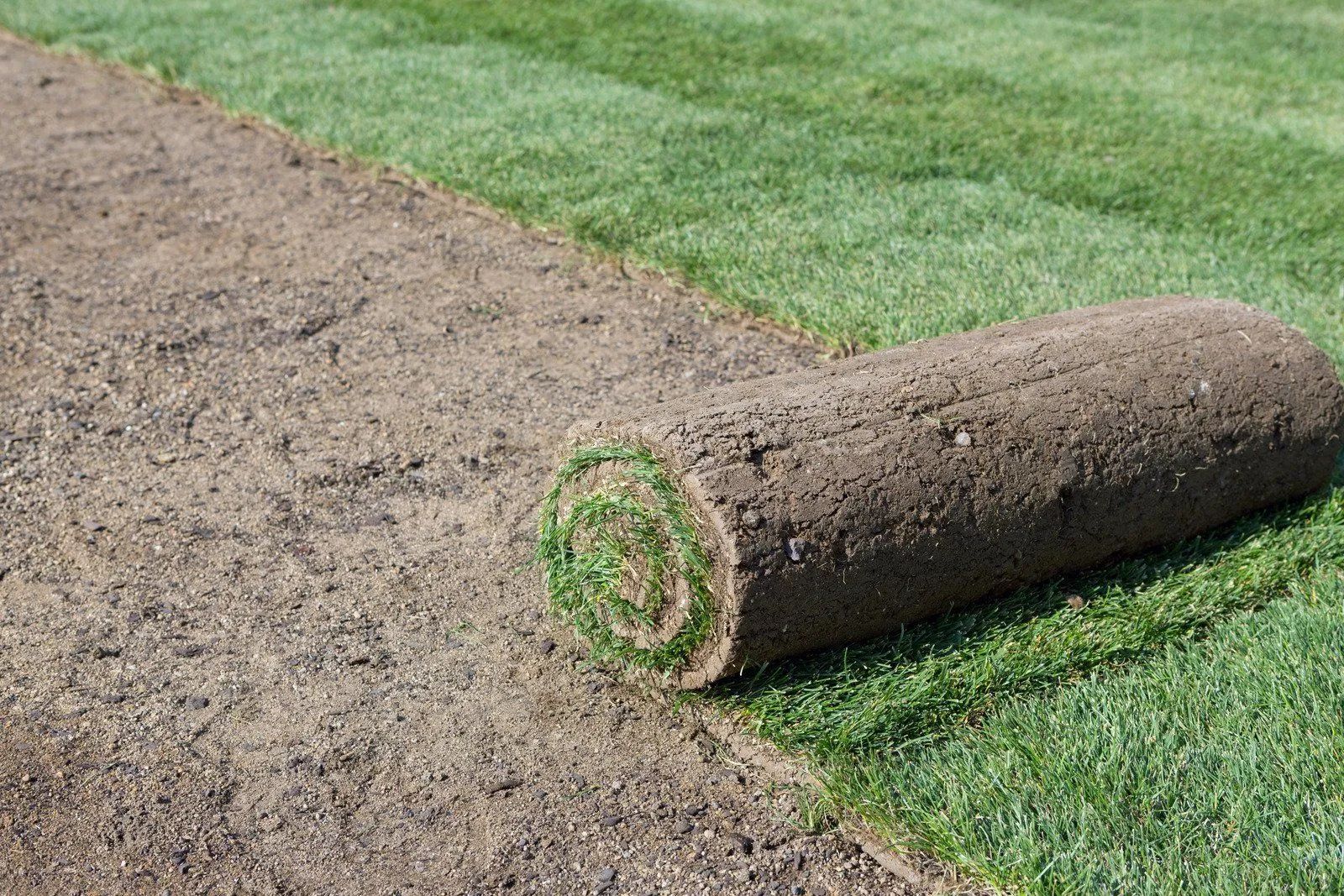
Sod installation delivers immediate transformation for new lawns, making it a preferred choice when rapid results are required. Freshly laid turf provides a fully developed grass surface that enhances curb appeal within hours rather than weeks. This instant coverage reduces soil erosion, suppresses weed growth, and creates a stable outdoor environment almost immediately. For properties undergoing renovation or preparation for events, sod ensures a visually complete landscape without waiting for germination cycles.
One of the key advantages lies in uniformity. Sod is cultivated under controlled conditions, resulting in consistent color, texture, and density. This reduces the risk of patchy growth often associated with seed establishment. Additionally, sod establishes a strong surface layer that can handle moderate foot traffic shortly after installation when properly maintained.
However, sod also requires careful attention during early rooting stages. Regular watering is essential to ensure the roots integrate with the underlying soil. Without proper hydration and soil preparation, sod may fail to establish effectively, leading to lifting or uneven sections. Proper installation techniques further improve long-term performance when combined with soil testing and nutrient balancing before laying sod, ensuring stronger establishment across seasonal conditions and reducing long-term maintenance requirements significantly overall.
Seeding Process and Benefits
Seeding a Lawn: Natural Growth and Flexibility
Long-term root development advantages
Seeding a lawn is a traditional and cost-effective method that allows grass to grow naturally from the ground up. Unlike sod, seeding requires patience, as germination and establishment take several weeks depending on grass variety and environmental conditions. However, the long-term benefits often outweigh the waiting period for many property owners.
One major advantage of seeding lies in root development. Grass grown from seed develops deeper and more resilient root systems, improving drought tolerance and overall durability. It also offers flexibility in selecting grass types suited to specific climates, soil conditions, and usage patterns.
Seeding does require consistent maintenance during early growth stages. Regular watering, weed control, and soil protection are essential to prevent uneven growth and competition from unwanted vegetation. Without proper care, newly seeded areas may experience patchiness or delayed establishment.
Despite these challenges, seeding remains highly valuable for large areas and budget-conscious projects. It provides a scalable solution for expansive landscapes where sod installation may be cost-prohibitive. With proper planning and care, seeded lawns can achieve dense, healthy turf that performs well over time.
Strategic soil preparation before seeding significantly improves germination rates and reduces weed competition. Incorporating organic matter, leveling the surface, and selecting high-quality seed blends all contribute to successful lawn establishment. Timing also plays a crucial role, with early spring and fall often delivering optimal results for growth and coverage consistency over extended periods.
Cost, Time, and Maintenance Comparison
Evaluating long-term investment and upkeep
Budget vs. performance trade-offs
When comparing sod and seeding, cost is often the first deciding factor. Sod typically involves higher upfront expenses due to cultivation, transportation, and installation requirements. However, it offers immediate results, which can reduce indirect costs associated with erosion control and temporary landscaping solutions. Seeding, on the other hand, is significantly more affordable initially but requires longer establishment time and ongoing care, which can increase maintenance efforts during early growth stages.
Time is another critical consideration. Sod delivers instant visual appeal, allowing lawns to be usable within a short period after installation. Seeding requires patience, as full establishment may take several weeks to months, depending on conditions. This difference makes sod suitable for time-sensitive projects, while seeding is better aligned with long-term planning and gradual development.
Maintenance requirements also differ significantly. Sod needs frequent watering during the initial rooting phase, but stabilizes more quickly once established. Seeding requires extended care, including weed management and careful irrigation to ensure uniform germination. These differences influence not only effort levels but also long-term lawn quality and sustainability.
Choosing between sod and seeding ultimately depends on project priorities, budget constraints, and the expected timeline for usability. While sod provides instant satisfaction, seeding delivers stronger long-term adaptability when properly managed. A balanced evaluation of both methods ensures optimal resource allocation and healthier landscape outcomes over time across diverse environmental conditions and property types consistently and efficiently overall.
Environmental and Soil Health Considerations
Impact on sustainability and ecosystem balance
Long-term ecological performance
Environmental impact plays an important role in deciding between sod and seeding. Seeding is generally considered more eco-friendly because it allows grass to develop naturally within existing soil ecosystems. It supports deeper root penetration, which improves soil structure and water retention over time. Sod, while effective for immediate coverage, involves transportation and cultivation processes that may increase the environmental footprint.
Soil health benefits are also influenced by the chosen method. Seeded lawns encourage gradual integration with native soil conditions, promoting microbial activity and long-term fertility. Sod provides an established root layer but may initially struggle to adapt to underlying soil variations if preparation is insufficient.
Water usage efficiency is another key consideration. Seeding typically requires careful irrigation over extended periods, but once established, it becomes highly efficient in water consumption. Sod requires intensive watering initially but stabilizes faster, reducing long-term water needs.
From a sustainability perspective, both sod and seeding offer distinct advantages depending on environmental priorities. Seeding promotes natural growth cycles and reduces transportation impact, making it suitable for eco-conscious landscaping strategies. Sod, while resource-intensive during production, provides immediate soil stabilization that can prevent erosion in vulnerable areas. Proper evaluation of site conditions, water availability, and long-term ecological goals ensures responsible lawn establishment decisions that balance functionality with environmental responsibility, supporting sustainable landscape development practices for future resilience across residential and commercial applications with careful long-term planning and execution strategically.
Best Choice Scenarios and Expert Recommendations
Matching methods to property needs
Practical decision-making guidance
Selecting between sod and seeding depends heavily on project goals, budget, and expected timeline. Sod is ideal for situations requiring immediate usability, such as commercial landscapes, event spaces, or properties needing rapid visual improvement. It ensures quick coverage and reduces exposure to erosion or dust during the early stages.
Seeding is better suited for long-term projects where budget efficiency and natural growth are priorities. It allows flexibility in grass selection and promotes deeper root development, making it a strong choice for residential lawns and large open spaces with extended development timelines.
A balanced approach often involves evaluating site conditions before making a final decision. Factors such as sunlight exposure, soil type, drainage capacity, and intended lawn usage should guide the selection process. In many cases, combining proper soil preparation with appropriate method selection yields the best long-term outcomes. Understanding trade-offs between speed, cost, and durability allows us to make informed landscaping decisions that align with both immediate needs and future performance expectations. Careful planning ensures sustainable lawn establishment that enhances property value and usability over time for consistently reliable results in all conditions and environments considered carefully planned execution overall success.
Trusted Lawn Installation Guidance From Experienced Professionals
Choosing between sod and seeding is a critical decision in lawn establishment that influences cost, appearance, and long-term performance. Sod provides instant results with immediate coverage, making it ideal for time-sensitive projects and high-visibility spaces. Seeding, while slower to establish, offers stronger root development, improved adaptability, and cost efficiency for larger or budget-conscious projects. Both methods require proper soil preparation, consistent watering, and ongoing maintenance to achieve successful outcomes. Environmental factors, project timelines, and intended usage should guide the selection process.
Understanding the strengths and limitations of each approach allows us to create healthier, more sustainable lawns that meet both functional and aesthetic goals. A well-informed decision ensures better resource use, improved durability, and long-term landscape value for residential and commercial applications across diverse conditions. This balance ultimately supports efficient lawn establishment and sustainable outdoor environments over time when properly planned and maintained for optimal results, consistently achieving overall success.
Inspire Design & Build
brings extensive expertise in designing and constructing outdoor landscapes that align with both aesthetic goals and functional requirements. With over 30
years of experience in Saint Louis, Missouri, we have developed a deep understanding of soil conditions, climate variations, and sustainable landscaping practices that directly influence lawn establishment success. Our approach focuses on delivering tailored solutions that match each property's unique needs, whether the project involves
sod installation
for immediate impact or seeding for long-term growth and resilience.