How Outdoor Gas Fireplace Installation Works in Saint Louis
September 17, 2026
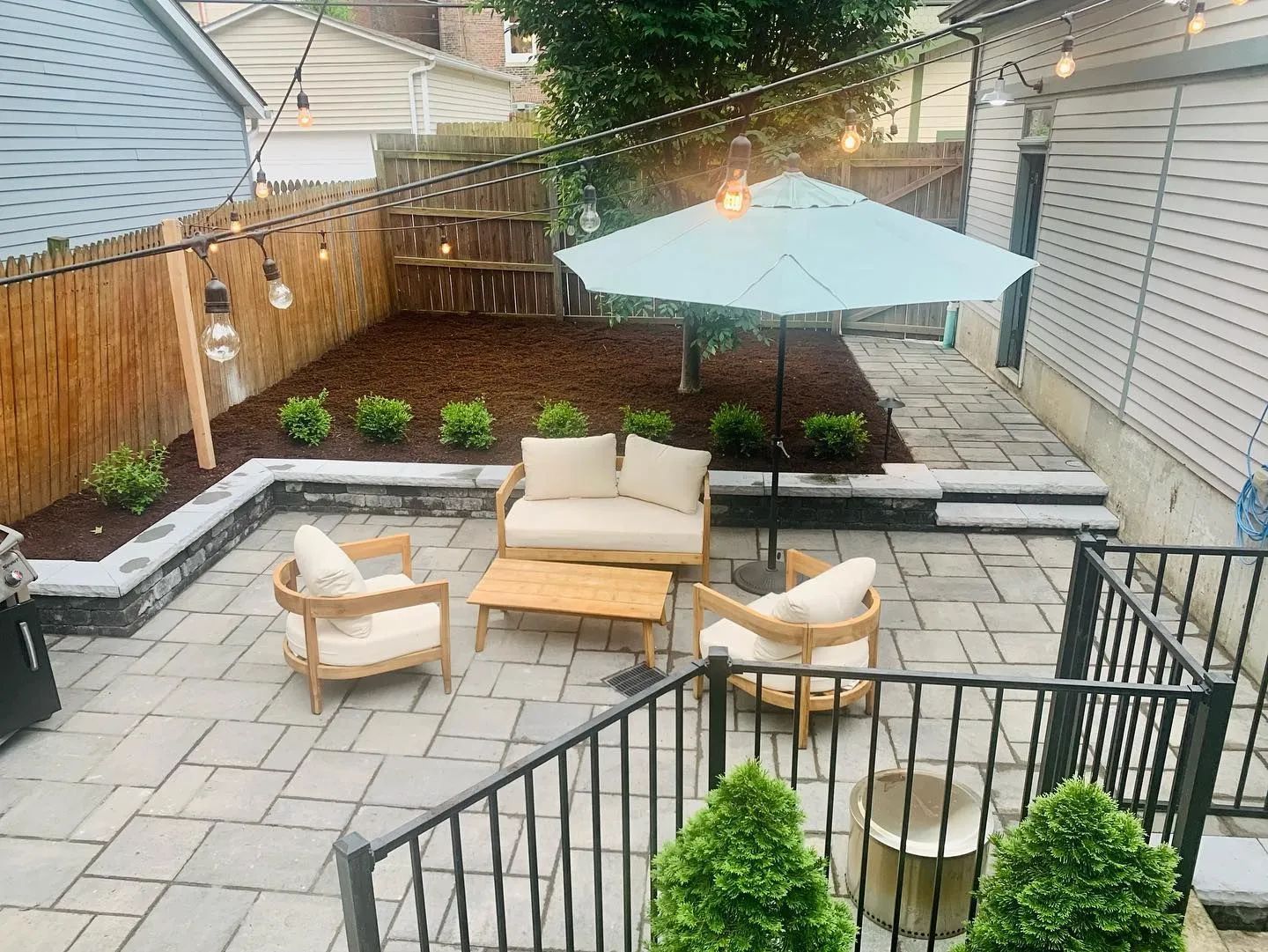
Every durable patio starts with what is beneath it. A properly compacted base of crushed gravel or road base material prevents the settling and shifting that leads to uneven surfaces, cracked pavers, and displaced edging. Skipping or skimping on this layer is one of the most common shortcuts taken by contractors who underprice jobs to win bids.
The depth of the base layer depends on the material being installed and the soil conditions of the site. For concrete patios, a four to six inch compacted base is standard. For paver installations, six to eight inches of compacted aggregate is typically required. In areas with expansive clay soils, additional depth may be needed.
The Layer You Never See Is the One That Matters Most
Contractor Qualifications and Red Flags to Watch For
A licensed contractor has met the minimum competency standards required by the state or municipality. Insurance protects you if a worker is injured on your property or if the work causes damage to your home. Both are baseline requirements, not premium features. Any contractor who cannot provide proof of current licensing and general liability insurance should not be considered for the job.
Beyond paperwork, look for contractors who specialize in hardscape or patio installation rather than generalists who add it as a side service. Specialized experience means they have encountered a wider range of site conditions, solved more drainage problems, and completed more installations under scrutiny.
Licensing, Insurance, and What They Actually Mean
Be wary of any contractor who provides a quote without first inspecting the soil, asking about drainage, or discussing the base preparation process. A contractor who moves straight from "what material do you want" to "here is the price" without addressing site conditions is likely not accounting for proper base work in the scope.
Ask directly: How deep will the base be? What material will you use? Will you compact it mechanically or by hand? Mechanical plate compaction is the standard, and anything less is a red flag.
Recognizing a Contractor Who Skips Base Work
Unusually low bids, requests for large upfront cash payments, vague written contracts, and pressure to decide immediately are all warning signs. A reputable contractor will provide a detailed written proposal that includes scope of work, materials specified by name and grade, timeline, payment schedule, and warranty terms.
Verbal agreements are not enforceable in most disputes. If it is not in writing, it does not exist.
Red Flags That Appear Before Work Begins
Quick Answer: Outdoor gas fireplace installation involves four main stages: choosing a fuel source, running and connecting the gas line, installing a venting system suited to the fireplace type, and finishing the surround in stone, brick, or stucco. A direct vent gas fireplace draws combustion air from outside and expels exhaust the same way, which keeps the flame contained and the surrounding patio air clean. Most installations are completed within a matter of days once the gas line and framing are in place, though timelines shift with fireplace size and surround complexity. Homeowners in Saint Louis typically choose between natural gas, which connects to the home's existing supply, and propane, which offers more flexibility in fireplace placement.
A cold evening on the patio changes completely once a gas fireplace is lit. There is no kindling to gather, no smoke drifting toward the seating area, just a flame that starts with the push of a button and holds steady until it is switched off. For homeowners across Saint Louis and nearby communities like Clayton, Maplewood, University City, and Webster Groves, that kind of convenience is often the deciding factor between a wood-burning fireplace and a gas one.
Getting to that point, though, involves more than setting a unit in place and connecting a line. Outdoor gas fireplace installation is a sequence of decisions, starting with fuel type and ending with the finish material that surrounds the firebox. Understanding each stage helps homeowners plan a project that performs well for years and fits the way they actually use their outdoor space.
Choosing Between Natural Gas and Propane
The first decision in any gas fireplace project is fuel source, and it shapes nearly everything that follows.
Natural gas connects directly to the home's existing gas supply through a hard-piped line, usually run underground in rigid black iron pipe or corrugated stainless steel tubing. Because the line ties into a fixed utility connection, natural gas fireplaces are a permanent installation. Once the line is run, there is no tank to monitor or refill, and the fireplace draws fuel on demand for as long as it is in use.
Propane fireplaces run off a stored tank rather than a buried line, which gives more freedom in where the fireplace can sit on the property. This matters for backyards where the gas meter is far from the patio or where a homeowner wants the option to reposition a fire feature later. The tradeoff is that propane requires periodic tank replacement or refilling to keep the fireplace running.
Neither option is universally better. The right choice depends on how far the patio sits from the home's gas meter, whether the fireplace is a fixed masonry structure or a more portable feature, and how the homeowner wants to manage fuel over the long term.
How Direct Vent Systems Work Outdoors
Most modern gas fireplaces, indoor or outdoor, use what is known as a direct vent system. Rather than pulling air from the surrounding space to feed the flame, a direct vent fireplace draws combustion air in from outside through a coaxial pipe, a design with one flue nested inside another. The inner channel supplies fresh air to the burner while the outer channel carries exhaust gases back out.
This sealed setup has two practical effects. First, it keeps the flame stable even in open-air outdoor settings where wind can otherwise disrupt combustion. Second, it separates the burning process from the surrounding air almost entirely, which is part of why direct vent units have become the standard choice across the fireplace industry, with efficiency ratings that commonly fall between 70 and 85 percent.
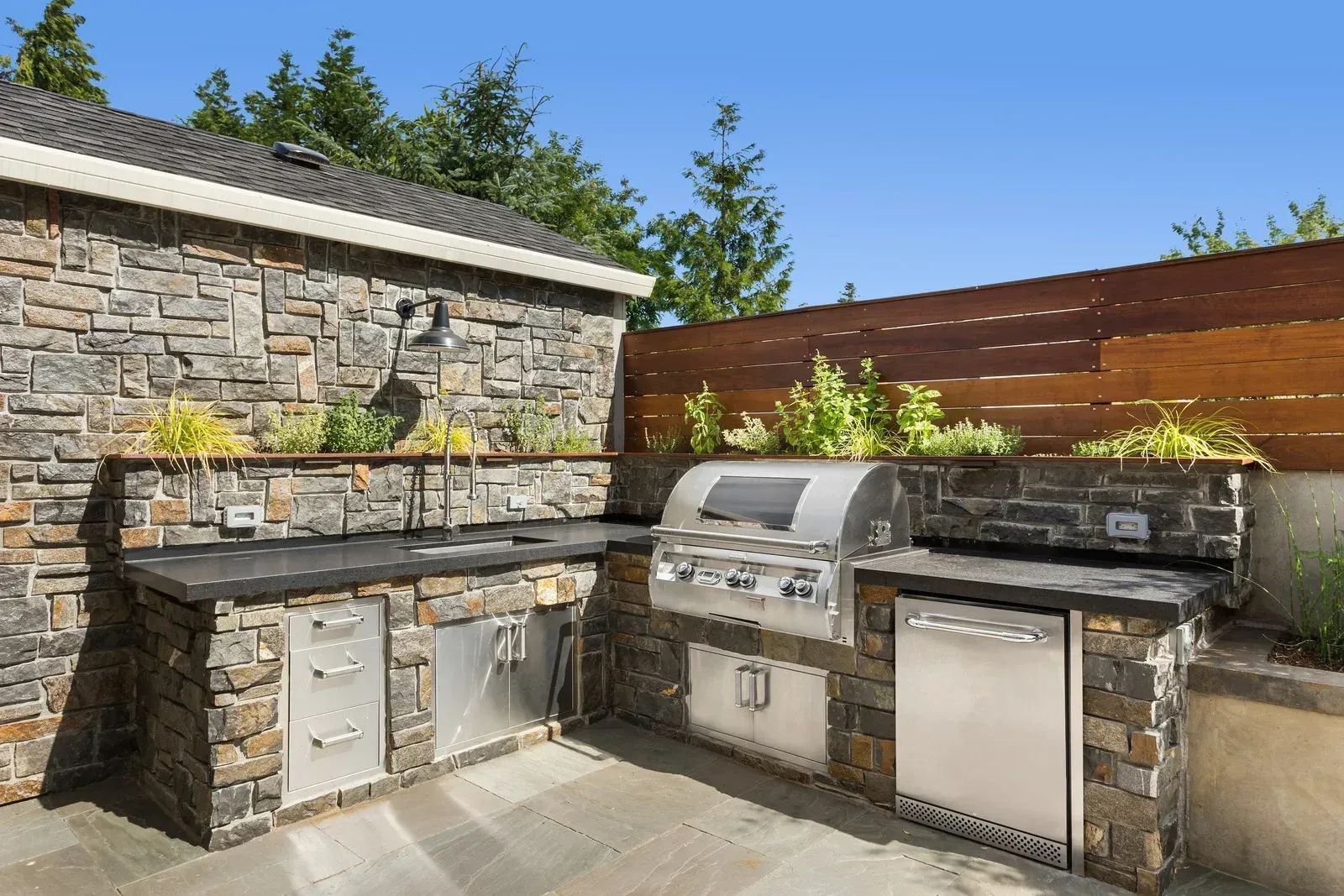
Venting can run horizontally through an exterior wall or vertically through a roofline, and the right configuration depends on where the fireplace sits relative to the home. A fireplace built into an outdoor kitchen island or a freestanding patio structure typically vents horizontally, since there is no roof overhead to route a vertical flue through.
From Site Evaluation to Finished Surround
Site Evaluation
Every installation starts with a look at the patio layout, the distance to the gas meter or propane tank location, and how the fireplace will sit relative to seating, overhangs, and any structures nearby. This step determines whether natural gas or propane makes more sense and how the venting will be routed.
Gas Line And Framing
Once the fuel type is set, the gas line is run and connected to an isolation shutoff valve near the fireplace location. At the same time, the framing for the firebox takes shape, whether that is a masonry base built from block or a metal frame designed to hold the finish material.
Venting Installation
The direct vent system goes in next, sized and routed according to the fireplace manufacturer's specifications for the unit being installed. Getting this step right affects both safety and how evenly the fireplace heats the surrounding seating area.
Ignition And Gas Connection
The fireplace insert connects to the gas line, and the ignition system, whether a standing pilot, electronic ignition, or remote-activated system, is installed and tested.
Surround And Finish Work
The final stage covers the visible portion of the fireplace: natural stone, firebrick, stucco, or paver work that ties the fireplace into the surrounding patio design. This is where the fireplace shifts from a functional gas appliance to a finished outdoor feature.
Tip: If a fireplace is going into an existing patio rather than a new build, ask about venting options early. An older patio layout with limited access to an exterior wall may favor a different fireplace placement or fuel choice than a new construction project would.
Remote Control and Ignition Features
One of the clearest advantages of gas over wood is what happens after installation. A wood-burning fireplace needs fuel stacked, kindling arranged, and a flame nursed to life every time it is used. A gas fireplace starts with the touch of a button or a remote control, and many modern units let homeowners adjust flame height and, where equipped, heat output without leaving their seat.
Remote-control ignition also removes the daily upkeep that comes with a wood-burning setup. There is no ash to clear, no wood to restock, and no chimney soot to manage session after session. What maintenance a gas fireplace does need, mainly occasional cleaning and a periodic check of the burner and ignition components, is far less frequent than the routine that wood-burning units require.
Design has kept pace with that convenience. Gas fireplace inserts now come in styles ranging from traditional hearth openings with visible logs to sleek linear burners that read as modern regardless of the surround material chosen around them.
Weatherproofing for a Saint Louis Backyard
An outdoor gas fireplace has to hold up to a wider swing in conditions than an indoor unit ever sees. Saint Louis summers bring heat and humidity, while winter cycles between freezing nights and warmer days, a pattern that stresses masonry and metal components alike.
Materials matter here. Firebrick, natural stone, and stucco are chosen for outdoor fireplace surrounds because they tolerate direct heat as well as repeated freeze-thaw cycles without cracking. The fireplace insert itself, along with any exposed venting components, is built from materials rated for continuous outdoor exposure rather than adapted from an indoor unit.
A weatherproof cover for the firebox opening, used when the fireplace is not in use, extends the life of the burner and ignition components by keeping rain, pollen, and debris out of the unit between uses.
Warning: Never operate a gas fireplace, indoor or outdoor, with a weatherproof cover still in place. The cover should come off before ignition and go back on only once the unit has fully cooled.
Frequently Asked Questions
How long does outdoor gas fireplace installation take?
Timelines depend on fireplace size, surround material, and whether the project stands alone or fits a larger renovation. A patio with accessible gas service moves faster than one needing new line routing or custom masonry.
Can an existing wood-burning fireplace be converted to gas?
In many cases, yes. Conversion depends on the existing structure's venting and whether it can accommodate a direct vent insert or needs modification first. A site evaluation still determines what a specific fireplace can support.
Does an outdoor gas fireplace need a chimney?
A direct vent gas fireplace skips the traditional chimney entirely. It vents through a coaxial pipe system, running horizontally through an exterior wall or vertically, depending on where the fireplace sits and how it's built.
What is the difference between natural gas and propane for an outdoor fireplace?
Natural gas ties into a fixed underground line connected to the home's existing supply and runs continuously without refilling. Propane draws from a stored tank instead, offering more flexibility in placement but requiring periodic replacement.
How much maintenance does a gas fireplace need compared to wood-burning?
Gas fireplaces need far less upkeep overall. Occasional cleaning and a periodic check of the burner and ignition components cover most of what's required, compared to the ash removal and restocking wood-burning units demand regularly.
Can a gas fireplace be added to a patio that already exists?
Yes, in most cases. What matters most is how far the patio sits from the gas meter or propane tank and whether the layout allows for proper venting. A site evaluation still confirms what's needed.
Where Saint Louis Backyards Find Lasting Warmth
An outdoor gas fireplace changes how often a patio actually gets used, turning cool evenings into extra hours spent outside rather than indoors. The fuel choice, venting system, and surround material all work together, and getting each step right from the start avoids costly rework later. Homeowners across Saint Louis, Affton, Ferguson, and Richmond Heights are finding that a well-planned fireplace pays off far past the first season it goes in, becoming the reason people gather outside long after summer ends.
Inspire Design & Build
has spent 30
years installing outdoor living features across Saint Louis, MO, and that experience shows in how each fireplace project comes together, from the first site evaluation through the final stonework. A properly installed system holds up to the region's shifting weather and keeps working the way it should for years. The result is a patio feature that fits naturally into how a household already lives outside, not one that demands extra effort to enjoy.