Why DIY Drainage Fixes Often Fail to Solve Common Problems?
March 23, 2026
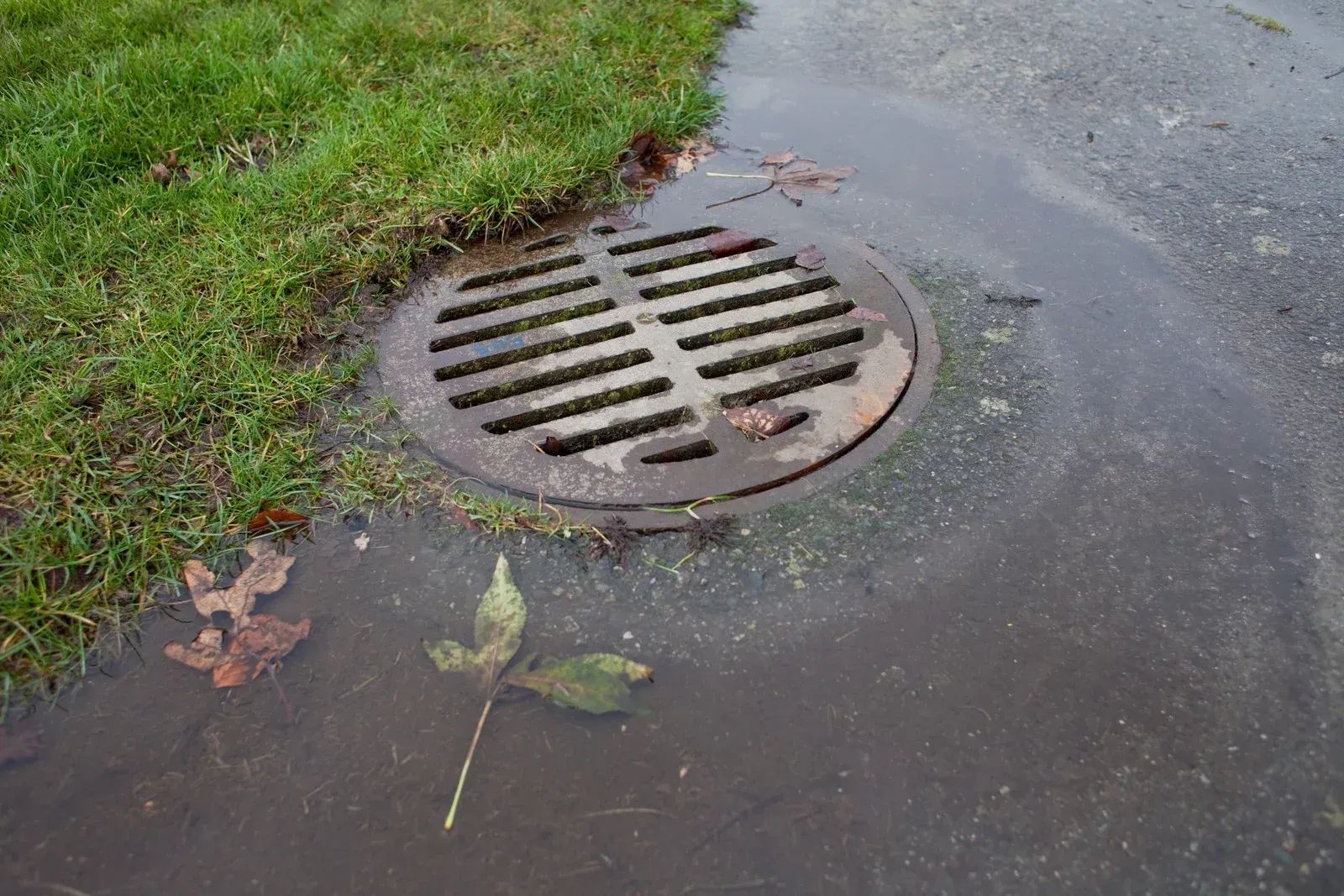
Drainage issues are one of the most common problems homeowners face, yet they are often underestimated. A clogged drain, pooling water in the yard, or persistent slow-draining sinks may seem manageable at first glance. Many homeowners attempt quick, DIY fixes to solve these problems, hoping that a little elbow grease or a store-bought solution will suffice. While such efforts may offer temporary relief, the underlying issues often remain unresolved. The consequences of a poorly executed drainage repair can be extensive, including water damage, foundation issues, and costly repairs that could have been avoided with professional intervention.
The appeal of DIY drainage solutions is understandable—they are convenient, often low-cost, and empower homeowners to take control of their property. However, drainage systems are inherently complex, influenced by soil composition, pipe configuration, slope, and overall water flow dynamics. Without a proper understanding of these factors, well-intentioned fixes can fail or even exacerbate the problem. In this article, we explore why DIY drainage solutions often fall short, the risks involved, and how homeowners can make informed decisions that protect their property and prevent recurring issues.
Understanding the Complexity of Drainage Systems
Drainage Is More Than Just Pipes
At a glance, a drainage problem may appear simple—water is not flowing as it should—but the reality is that effective drainage depends on a complex network of components. These include gutters, downspouts, surface grading, underground pipes, and natural soil absorption. Each element plays a critical role in ensuring water is directed away from your home efficiently. DIY solutions often target a single visible symptom, such as a clogged pipe, without addressing the broader system.
For example, homeowners frequently use chemical drain cleaners or plungers to tackle slow drains. While these methods may clear minor blockages temporarily, they do nothing to correct issues like improperly sloped pipes, root intrusion, or soil compaction. Over time, water will continue to pool or back up, leading to recurring problems.
The Role of Soil and Landscape
Drainage is not limited to the pipes themselves. Soil composition, landscaping, and grading significantly impact water flow. Clay-heavy soil, for instance, drains poorly and can trap water around the foundation, while sandy soil allows for quick absorption. DIY fixes often fail to account for these variables, focusing solely on visible blockages rather than the environmental factors that cause them. Understanding the interplay between soil type, surface water runoff, and underground drainage infrastructure is crucial for creating long-lasting solutions.
Common DIY Drainage Mistakes
Over-Reliance on Store-Bought Solutions
One of the most common DIY mistakes is relying heavily on chemical drain cleaners or quick-fix tools. These products may dissolve minor blockages, but they do not prevent future clogs or address systemic problems. Overuse of harsh chemicals can also corrode pipes, weaken joints, and harm the surrounding landscape, ultimately causing more significant issues.
Ignoring Proper Pipe Slope and Installation
Effective drainage requires correctly sloped pipes to encourage water flow. Many DIY projects overlook this essential principle, leading to water stagnation or reverse flow. Even minor misalignments can cause long-term drainage issues, and correcting them later often requires excavation and professional expertise.
Neglecting Preventive Measures
DIY drainage attempts frequently focus on reactive fixes rather than proactive strategies. Simple measures such as routine gutter cleaning, installing drain guards, and ensuring proper grading around the property can prevent many problems from developing in the first place. Failing to implement preventive measures means homeowners may repeatedly tackle the same issues, wasting time and money.
Misjudging the Scale of the Problem
Many homeowners underestimate the scope of their drainage issues. What seems like a minor blockage in a single pipe could indicate a much larger problem with the property’s overall water management system. Without proper diagnostic tools—such as video pipe inspections or soil permeability tests—DIY solutions risk being superficial and temporary.
Risks Associated with DIY Drainage Repairs
Potential for Property Damage
Incorrectly executed drainage fixes can cause structural damage over time. Water pooling near foundations or under patios can compromise concrete integrity, erode soil, and damage landscaping. Even seemingly harmless interventions, like redirecting downspouts, can unintentionally lead to water accumulation in unwanted areas.
Safety Hazards
DIY drainage work is not without risks. Excavating trenches, handling chemicals, or working in confined spaces can result in injuries if proper precautions are not followed. Professionals are trained to handle these situations safely, using the right tools and personal protective equipment to minimize hazards.
Wasted Time and Money
Temporary solutions often mean repeated repairs. A homeowner who clears a clog manually or uses chemical treatments may find themselves addressing the same problem weeks or months later. The cumulative cost of these recurring fixes can exceed what a professional service would charge for a comprehensive assessment and solution.
Environmental Concerns
DIY fixes can also have unintended environmental impacts. Chemical drain cleaners can leach into soil and groundwater, negatively affecting plants, pets, and local ecosystems. Additionally, poorly managed drainage can contribute to soil erosion, sediment runoff, and water pollution.
When to Call a Professional
Recognizing Persistent Issues
Persistent slow drains, water pooling near foundations, foul odors, or recurring basement dampness are clear indicators that DIY solutions are insufficient. Professionals use advanced diagnostic tools like cameras and water flow assessments to pinpoint the root cause of these issues.
Benefits of Professional Assessment
A professional inspection provides more than just a quick fix. It evaluates the entire drainage system, identifying potential weak points and recommending long-term solutions. This comprehensive approach prevents recurring problems and ensures water is managed efficiently throughout the property.
Solutions Beyond DIY Capabilities
Certain drainage solutions require expertise and equipment beyond what most homeowners can access. Examples include installing French drains, trench drains, sump pump systems, or regrading the landscape to improve water flow. Professionals also address underlying issues like root intrusion, collapsed pipes, or soil compaction—problems that cannot be solved with a plunger or chemical cleaner.
Real-World Scenario
Consider a homeowner who repeatedly unclogs a slow basement drain with a chemical solution. While the immediate blockage clears, water continues to seep into the basement during heavy rainfall. A professional assessment may reveal a collapsed underground pipe and inadequate grading around the home. By addressing these root causes, the professional solution eliminates the problem entirely, whereas DIY methods only provided temporary relief.
Best Practices for Effective Drainage Solutions
Regular Maintenance
Consistent inspection and maintenance are crucial for preventing drainage problems. Cleaning gutters, checking downspouts, and removing debris from surface drains can help maintain optimal water flow and reduce the likelihood of clogs.
Correct Grading and Landscaping
Proper grading ensures water flows away from the home rather than pooling near the foundation. Landscaping choices, including plant selection and soil amendments, can also influence drainage effectiveness. Professional guidance ensures that these measures are applied correctly and sustainably.
Investing in Quality Materials
Durable pipes, appropriate fittings, and professional-grade drainage systems significantly reduce the risk of future issues. DIY solutions often rely on temporary or low-quality materials that degrade quickly under stress from water flow, temperature changes, or soil movement.
Comprehensive Planning
Effective drainage requires a holistic approach. Professionals consider all elements of the property—surface water, subsurface conditions, and potential obstacles—to develop a solution that works long-term. This may include integrating multiple systems, such as surface drains, French drains, and sump pumps, to manage water efficiently.
Educating Homeowners
A critical aspect of successful drainage management is homeowner awareness. Understanding how water moves through the property, recognizing early warning signs, and knowing when to intervene can prevent minor problems from escalating into costly repairs.
Why Long-Term Solutions Matter
Temporary fixes often provide immediate relief, but they rarely address the root cause of drainage issues. Long-term solutions focus on the underlying problem, whether it is soil composition, improper pipe installation, or inadequate grading. Investing in a professional drainage assessment ensures that the property is protected from future water damage, foundation issues, and landscaping problems.
In the long run, these comprehensive solutions save time, money, and stress. They reduce the likelihood of emergency repairs, prevent damage to valuable property, and enhance the overall safety and usability of outdoor and indoor spaces. While DIY fixes may seem convenient, their limitations underscore the importance of professional expertise in achieving reliable, lasting results.
Trusted Company Delivering Lasting Drainage Protection Services
Addressing drainage issues requires experience, technical knowledge, and a comprehensive approach. At Inspire Design & Build, based in Saint Louis, Missouri, we bring over 30 years of experience helping homeowners and property managers solve complex drainage problems efficiently and effectively. Our team understands that every property is unique, and we tailor solutions to address specific challenges while preventing recurring issues. We begin with a thorough assessment of your property, examining everything from soil composition and landscape grading to underground pipes and surface water patterns. This allows us to identify the root cause of your drainage problem rather than just treating the symptoms. Our comprehensive approach ensures that the solution we implement will stand the test of time.
Choosing Inspire Design & Build
means trusting a team that prioritizes safety, efficiency, and precision. We understand the pitfalls of DIY drainage attempts and offer solutions that not only fix immediate problems but also safeguard your property against future water damage. Our reputation is built on professionalism, expertise, and a commitment to delivering results that homeowners can rely on for decades. By leveraging our decades of experience, modern tools, and a holistic approach to water management, we provide peace of mind to property owners. Rather than risking repeated DIY failures or temporary fixes, our clients enjoy long-term protection, enhanced property value, and efficient
drainage systems
designed to handle the challenges of the region.