Outdoor Ambiance Starts with the Right Low-Voltage Lighting
February 18, 2026
Outdoor spaces are no longer limited to practical functions such as walking paths or garden beds—they have become extensions of our living areas. Today, homeowners and property developers alike recognize that creating a welcoming, functional, and aesthetically appealing outdoor environment requires careful planning, and lighting plays a pivotal role in shaping these spaces. Among the various options available, low-voltage lighting has emerged as an industry favorite for enhancing outdoor ambiance. Its ability to combine energy efficiency, safety, and design flexibility makes it a standout solution for both residential and commercial landscapes. Properly designed lighting not only enhances visual appeal but also encourages extended use of outdoor areas, making patios, gardens, and pathways more accessible during evening hours. It represents a key investment in both comfort and property value.
In addition to providing illumination, low-voltage lighting sets the tone for outdoor experiences, highlighting architectural features, accentuating foliage, and defining pathways. The right placement, intensity, and style can transform ordinary backyards, patios, or commercial properties into captivating environments that are inviting day or night. Well-executed lighting creates layers of depth and atmosphere, offering homeowners the flexibility to host gatherings, relax after dark, or showcase landscaping year-round. As outdoor living trends continue to rise, understanding the strategic implementation of low-voltage lighting is essential for designers, contractors, and property owners who aim to merge practicality with visual appeal. This blog explores the benefits, installation strategies, and expert practices that ensure your outdoor ambiance begins with the right lighting foundation while maximizing both efficiency and aesthetic impact.
Understanding Low-Voltage Lighting
What Is Low-Voltage Lighting?
Low-voltage lighting refers to systems that operate at 12 or 24 volts rather than the standard 120-volt household supply. This is achieved through a transformer that converts the higher voltage to a safer, lower voltage suitable for outdoor fixtures. The most common types include LED and halogen low-voltage lights, both designed for landscape and architectural illumination. Unlike high-voltage systems, low-voltage lighting is generally easier to install, safer to handle, and more energy-efficient, making it an ideal choice for residential gardens, patios, walkways, and commercial outdoor areas.
Benefits of Low-Voltage Systems
- Energy Efficiency – Low-voltage systems consume significantly less power, especially when paired with LED fixtures. This results in lower electricity bills without compromising brightness.
- Enhanced Safety – Operating at reduced voltage minimizes the risk of electrical shock, which is particularly beneficial in moist or outdoor conditions.
- Design Flexibility – These systems allow for versatile placement, from spotlighting a water feature to creating subtle pathway lighting. The ability to easily adjust fixtures and wiring paths ensures that designers can achieve creative, customized layouts.
- Durability and Longevity – Modern low-voltage lights, especially LEDs, have extended lifespans, often exceeding 25,000 hours of operation. They withstand outdoor conditions including rain, snow, and fluctuating temperatures.
Real-World Application Example
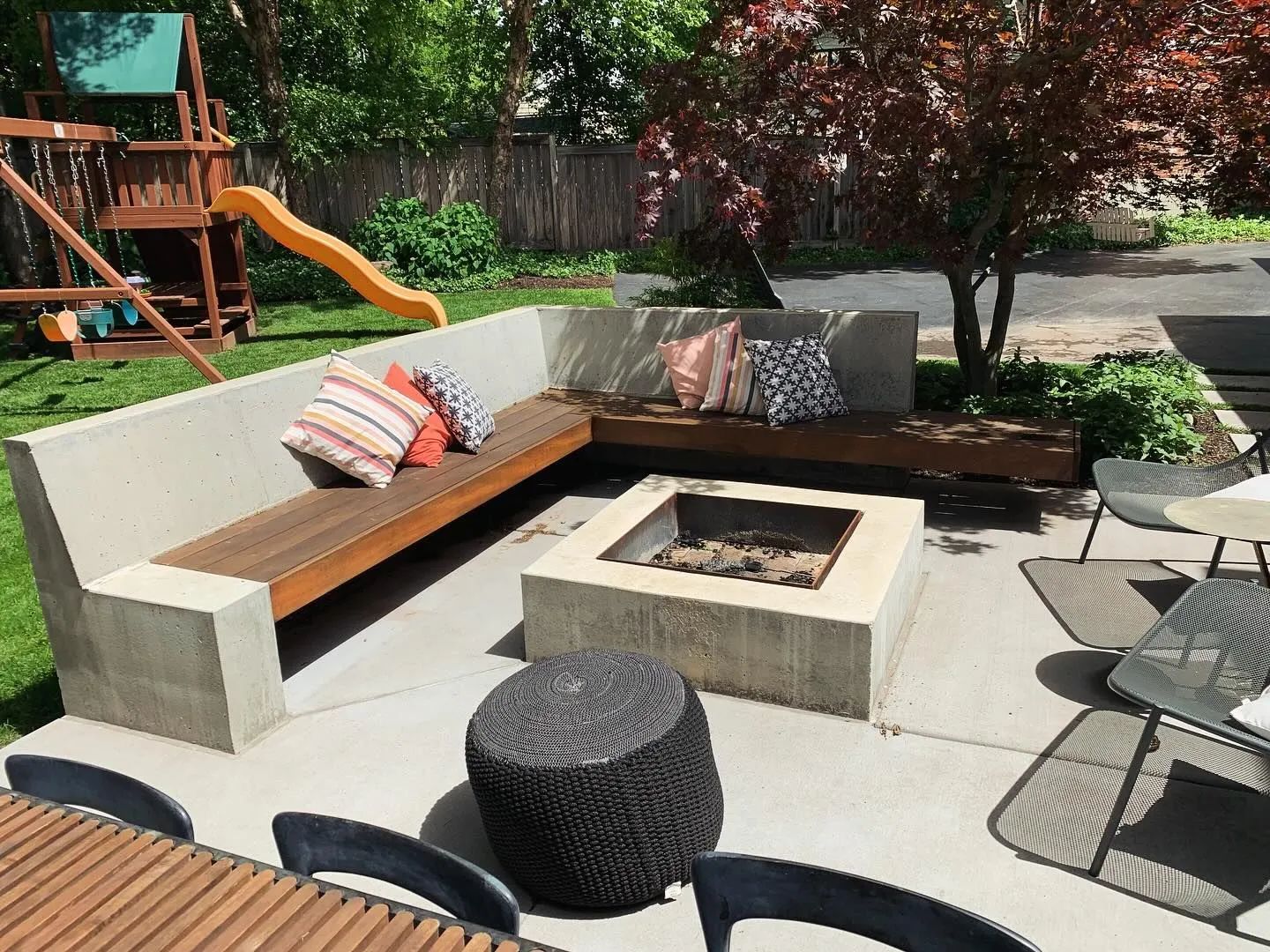
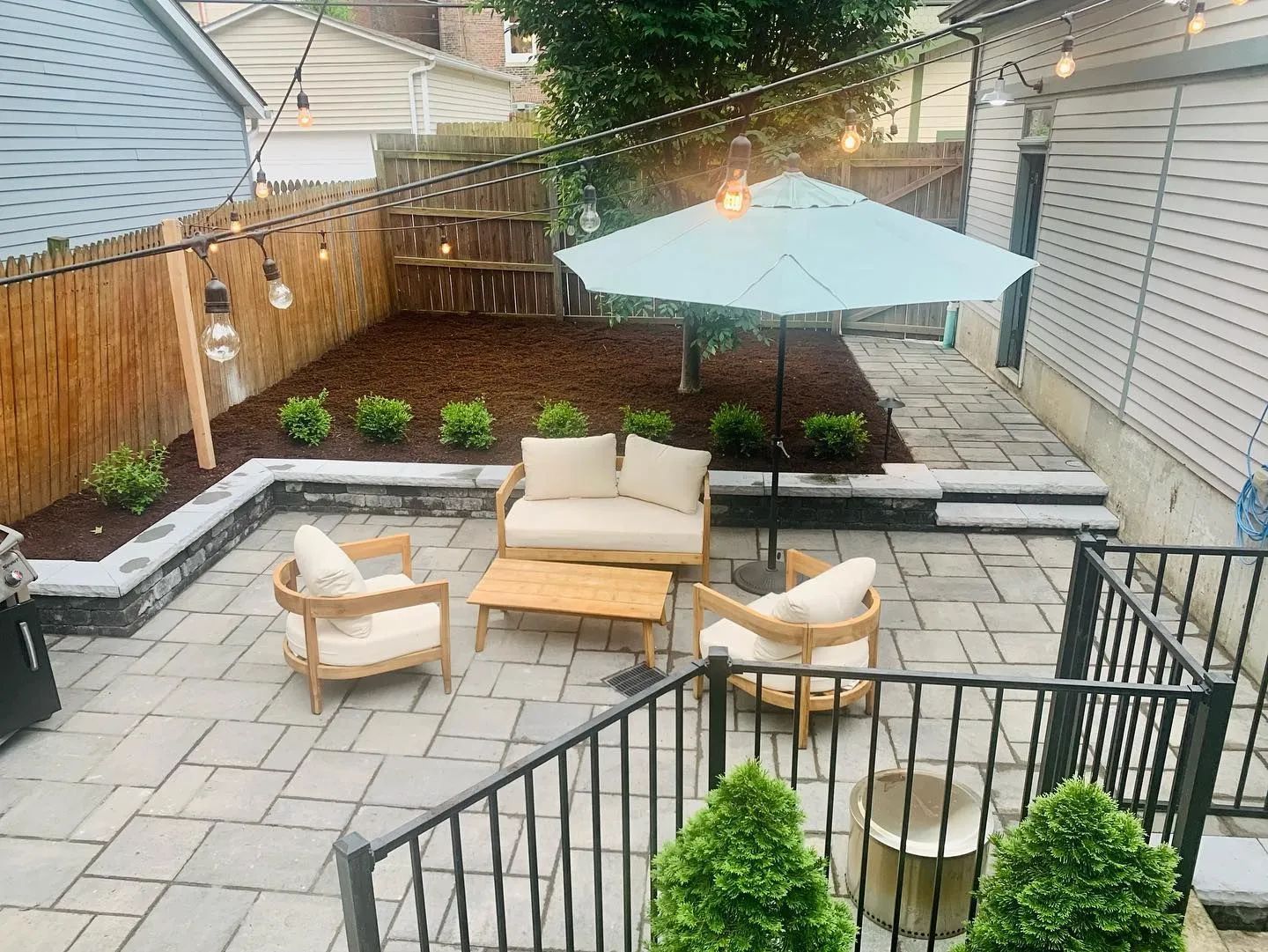
Consider a suburban backyard with a mix of pathways, garden beds, and a central seating area. By strategically placing low-voltage path lights, uplights for trees, and accent lights on architectural elements, homeowners can create a cohesive, inviting environment that feels both safe and luxurious. The adaptability of low-voltage lighting makes it suitable for everything from intimate residential patios to expansive commercial landscapes.
Planning and Design Considerations
Assessing Your Outdoor Space
Effective low-voltage lighting begins with a thorough evaluation of the outdoor area. Property owners and designers should identify key features to highlight, areas requiring safety illumination, and potential challenges such as uneven terrain or obstructions. Mapping out pathways, patios, water features, and landscaping elements ensures that each fixture serves a purpose, whether aesthetic, functional, or both.
Choosing the Right Fixtures
Fixtures come in a variety of styles including spotlights, floodlights, path lights, and well lights. Each serves a specific purpose:
- Spotlights – Focused beams ideal for highlighting trees, sculptures, or facades.
- Floodlights – Broader illumination suitable for patios, decks, or larger areas requiring general visibility.
- Path Lights – Short, low fixtures guiding walkways while adding subtle decorative appeal.
- Well Lights – Embedded lights that provide upward illumination without creating glare.
Considerations for Light Temperature and Color
The color temperature of low-voltage lighting affects mood and ambiance. Warm white (2700K–3000K) produces a cozy, inviting feel, ideal for patios and seating areas. Cool white (4000K–5000K) offers more modern, vibrant illumination suitable for commercial spaces or security lighting. Balancing light intensity and avoiding overly harsh glare ensures the outdoor environment remains comfortable and visually appealing.
Design Integration with Landscaping
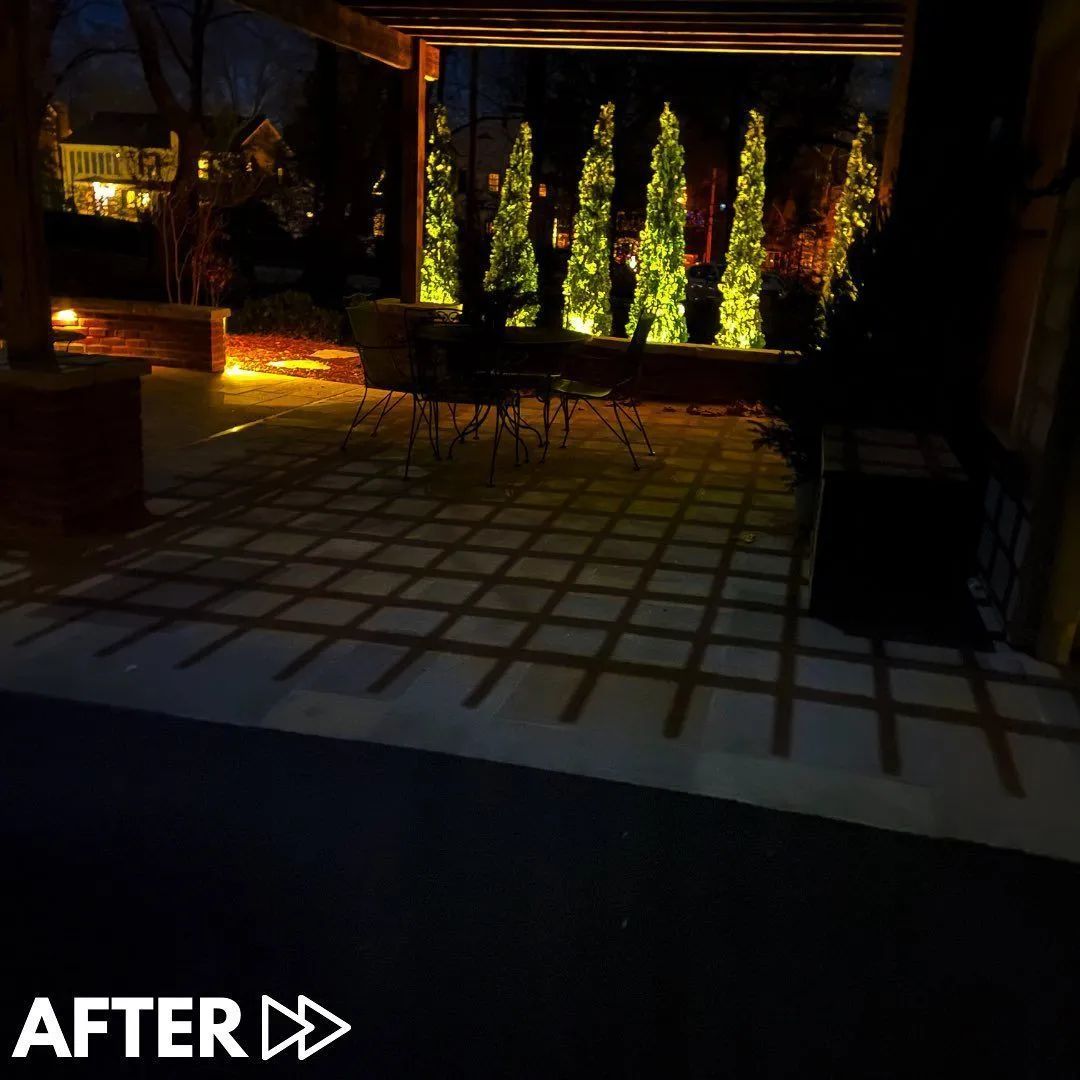
Lighting should complement, not compete with, landscaping features. For example, uplighting shrubs or trees adds depth and texture at night, while downlighting from pergolas or trees can create a natural moonlit effect. Integrating lighting with existing plantings, water features, and hardscapes ensures a harmonious design that enhances both function and aesthetics.
Installation Best Practices
Proper Placement and Spacing
Installing low-voltage lighting requires strategic placement to optimize illumination without creating glare or wasted light. Pathway lights are typically spaced 6–10 feet apart, while spotlights and uplights should focus on focal points with consideration for angles and coverage. Overcrowding or improper angles can reduce visual impact and may even cause safety issues.
Wiring and Transformer Setup
Low-voltage systems rely on a transformer to convert standard electrical voltage to a safe, manageable level. Properly sizing the transformer is critical; an undersized unit can reduce brightness, while an oversized transformer can lead to energy inefficiency. Wiring should be run through protective conduits when necessary and buried at an appropriate depth to avoid accidental damage.
Seasonal Adjustments and Maintenance
Outdoor lighting requires occasional adjustment as landscaping evolves. Trees grow, shrubs expand, and pathways shift. Regular inspection ensures that lights remain properly angled, foliage is not obstructing illumination, and wiring remains intact. Additionally, seasonal maintenance such as cleaning lenses, checking connections, and replacing bulbs or fixtures helps extend system lifespan and maintains performance.
Enhancing Outdoor Ambiance Through Lighting Techniques
Layered Lighting
Layered lighting involves combining different types of illumination to create depth and visual interest. For example, uplights can highlight trees, path lights ensure safe navigation, and accent lights draw attention to architectural features. This approach avoids flat, uniform lighting and transforms outdoor spaces into dynamic, inviting environments.
Shadowing and Highlighting
Using light and shadow strategically can accentuate textures, shapes, and focal points. Placing lights behind foliage or sculptures creates dramatic silhouettes, while highlighting textured walls or water features adds a sense of movement and sophistication. This technique encourages viewers to explore the space visually, enhancing overall engagement.
Dimming and Automation
Modern low-voltage systems often include dimming capabilities and automated controls. Timers, motion sensors, and smart home integration allow lighting to adjust according to time of day, occupancy, or activity. These technologies not only improve energy efficiency but also enhance convenience and flexibility, ensuring that the ambiance evolves naturally throughout the evening.
Common Challenges and Solutions
Managing Energy Load
While low-voltage systems are energy-efficient, overloading the transformer is a common mistake. Proper planning of fixture count, wattage, and placement prevents reduced brightness or electrical issues. Selecting a transformer with at least 20–25% additional capacity ensures long-term reliability.
Avoiding Glare and Light Pollution
Glare can be uncomfortable and reduce visibility, while light pollution affects both aesthetics and surrounding wildlife. Using shielded fixtures, appropriate angles, and softer color temperatures mitigates these issues. Pathway lights should illuminate surfaces rather than eyes, and accent lighting should focus on objects rather than creating bright spots.
Weather and Environmental Considerations
Outdoor lighting systems are exposed to moisture, temperature fluctuations, and physical wear. Choosing weather-resistant fixtures, corrosion-proof materials, and sealed connections helps prevent premature failure. Additionally, routine inspections after severe weather events ensure safety and continued functionality.
Benefits of Professional Installation and Design
Expertise and Efficiency
Professional lighting designers and contractors bring expertise in layout, wiring, and fixture selection. Their experience ensures that the system not only illuminates effectively but also complements the overall outdoor design. A professional installation minimizes errors, reduces the risk of electrical issues, and maximizes the aesthetic impact.
Long-Term Cost Savings
While DIY installations may save upfront costs, professionally designed low-voltage lighting often provides long-term savings through energy efficiency, reduced maintenance, and fewer replacements. Proper installation extends the lifespan of both the transformer and fixtures, protecting the investment.
Value Addition
Well-designed outdoor lighting enhances curb appeal, increases safety, and creates a welcoming atmosphere for homeowners and guests. In commercial applications, it strengthens branding, highlights key features, and contributes to customer satisfaction. The investment in professional design and installation delivers measurable benefits that extend beyond aesthetics, impacting property value and user experience.
Experienced Specialists Delivering High-Quality Lighting Systems
Outdoor ambiance begins with thoughtful, well-executed low-voltage lighting. By understanding the types of fixtures, planning layouts strategically, employing layering and shadowing techniques, and integrating modern automation, property owners can create inviting, safe, and visually striking outdoor spaces. Careful attention to installation best practices, seasonal adjustments, and maintenance ensures that lighting systems perform optimally while minimizing energy consumption and extending fixture lifespan. Professional insight and expertise further enhance outcomes, ensuring that each outdoor environment fulfills both functional and aesthetic goals.
At Inspire Design & Build, based in Saint Louis, Missouri, we have over 30
years of experience transforming outdoor spaces through innovative design and precision installation. Our team specializes in creating low-voltage lighting solutions that blend safety, energy efficiency, and elegance. From intimate residential patios to expansive commercial landscapes, we focus on enhancing ambiance while delivering durable, high-quality results. With a commitment to client satisfaction and meticulous attention to detail, Inspire Design & Build
is your trusted partner in illuminating outdoor spaces that impress, inspire, and endure.