Boost Your Curb Appeal with a Custom Outdoor Living Space
December 27, 2025
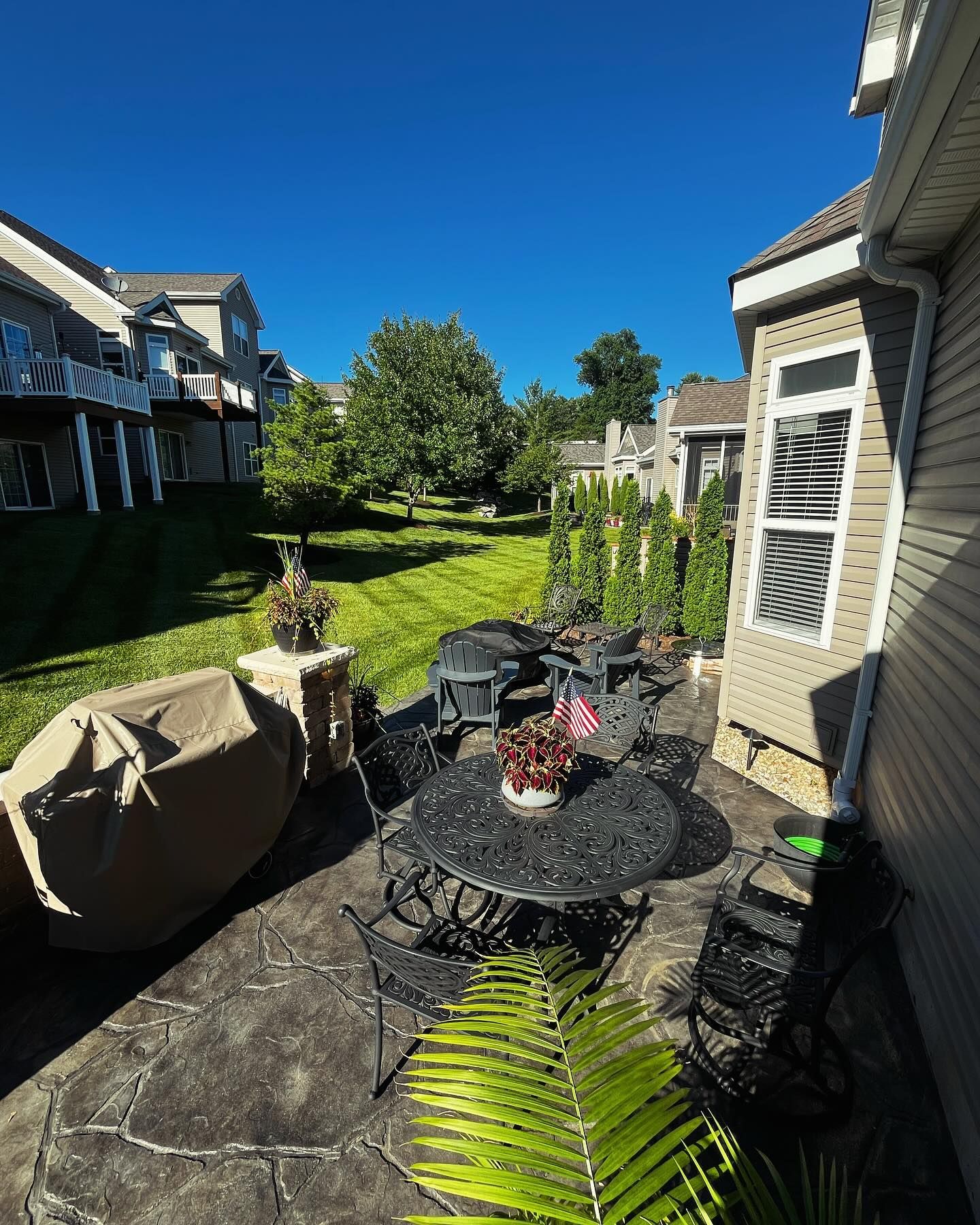
Enhancing your home’s curb appeal has always been more than just a trend; it’s a strategic investment that can increase property value, create a welcoming environment, and reflect your personal style. In recent years, homeowners are increasingly prioritizing outdoor living spaces as an extension of their interiors, recognizing the potential of these areas to transform the overall aesthetic of a property. A well-designed outdoor living space not only elevates the exterior appeal of a home but also provides a functional area for entertaining, relaxation, and family gatherings. From patios and pergolas to outdoor kitchens and fire pits, these elements combine style and utility to create a cohesive outdoor experience.
Beyond aesthetics, a custom outdoor living space demonstrates attention to detail and thoughtful planning, which are key indicators of a well-maintained property. For prospective buyers, such enhancements can leave a lasting impression, setting your home apart in a competitive real estate market. Additionally, homeowners benefit from improved daily living, as these spaces encourage outdoor activity, social interaction, and a stronger connection to nature. Investing in a tailored outdoor environment is no longer a luxury; it has become an essential component of modern home design, marrying form and function seamlessly.
1. Understanding the Role of Outdoor Living Spaces
What Defines an Outdoor Living Space?
An outdoor living space is any designed area outside the home intended for relaxation, entertainment, or functional use. Unlike traditional landscaping, which focuses primarily on greenery and aesthetics, outdoor living spaces integrate hardscaping, furniture, and amenities to create a cohesive environment. Common features include patios, decks, pergolas, gazebos, outdoor kitchens, fire pits, water features, and seating areas.
How Outdoor Spaces Impact Curb Appeal
A visually striking outdoor area can transform the first impression of a home. Instead of simply passing judgment based on exterior walls and landscaping, visitors and potential buyers notice how the space invites comfort and usability. Strategic layout, quality materials, and complementary design elements amplify the home’s overall aesthetic, creating harmony between the interior and exterior.
Real-World Example
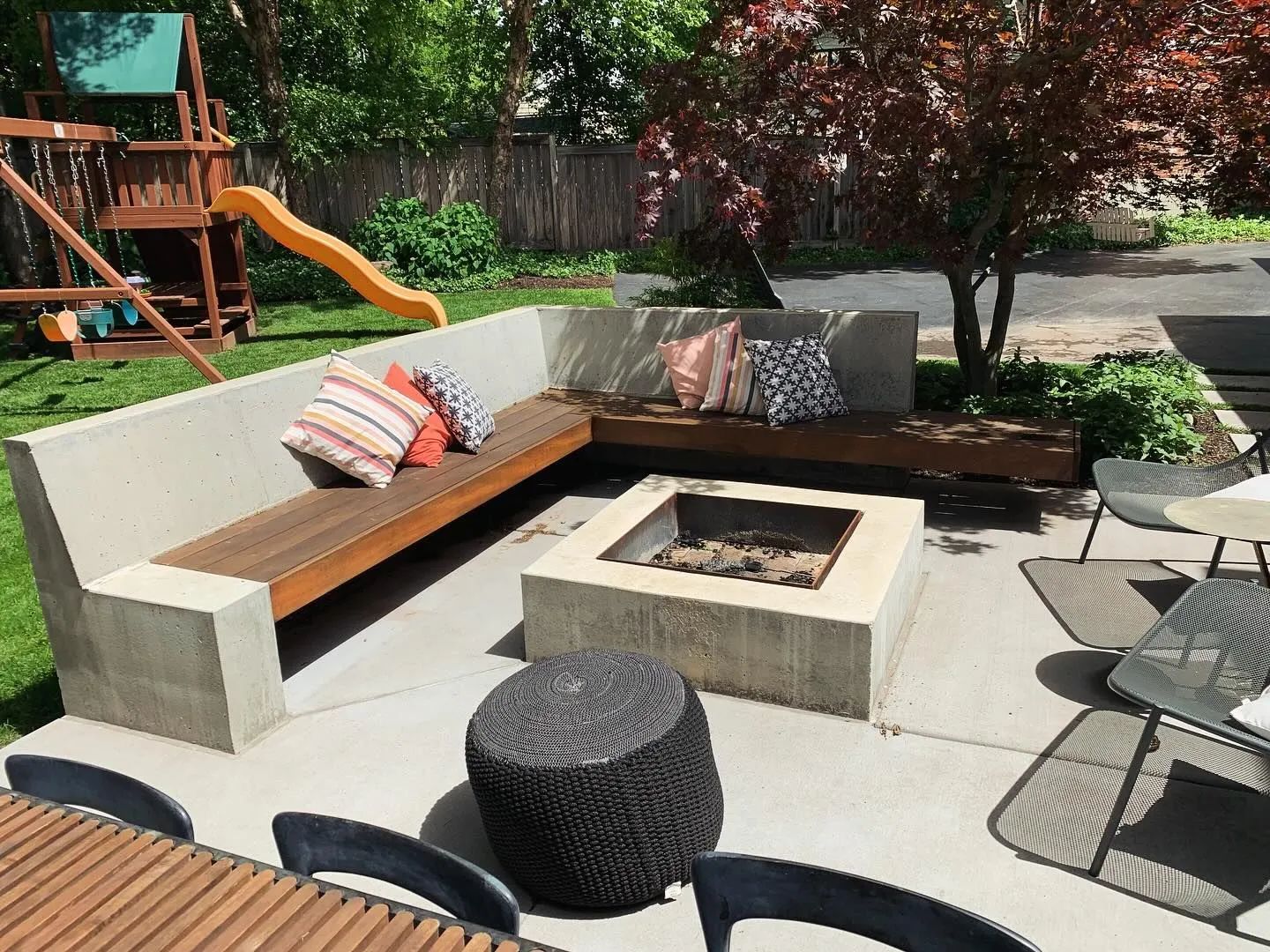
Consider a home with a plain backyard. By installing a stone patio with a pergola, adding built-in seating and a fire pit, the homeowners turned a neglected space into a luxurious extension of their living room. Visitors immediately notice the attention to detail and functionality, which translates into higher perceived value.
2. Designing Your Outdoor Living Space for Maximum Impact
Planning Your Layout
Effective design begins with a thorough assessment of space, sunlight, and traffic flow. Identify natural focal points, such as a garden or water feature, and design seating areas to maximize enjoyment. Consider sightlines from the interior, ensuring the outdoor space complements the view from windows or doors.
Selecting the Right Materials
Material choice affects both durability and aesthetics. Stone, brick, and concrete provide long-lasting hardscaping options, while composite decking offers low-maintenance appeal. For furniture, weather-resistant materials like teak, aluminum, or resin wicker maintain their appearance over time. Selecting complementary colors and textures helps unify the space with the home’s exterior.
Lighting and Ambiance
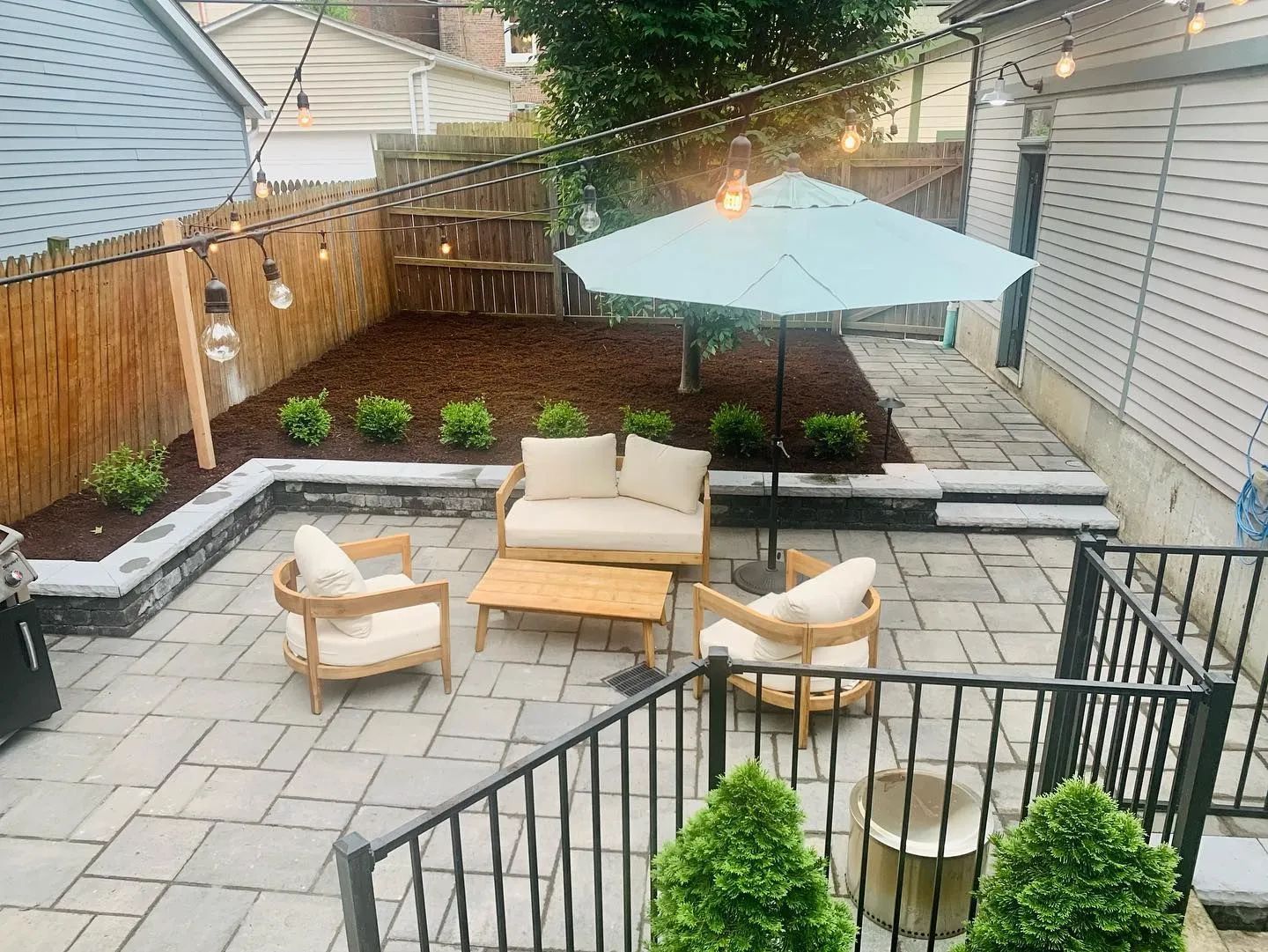
Lighting is critical to extend usability beyond daylight hours. Strategically placed fixtures, such as pathway lights, uplighting on trees, or pendant lights over a dining area, can dramatically enhance visual appeal. Lighting also emphasizes safety, guiding movement and reducing potential hazards.
Expert Insight
Professional landscape designers often recommend dividing the space into zones for specific activities. For instance, a dining area, lounge section, and cooking station allow multiple functions without crowding the environment. Zoning enhances usability and ensures the space feels spacious and inviting.
3. Popular Features That Elevate Outdoor Living
Outdoor Kitchens and Dining Areas
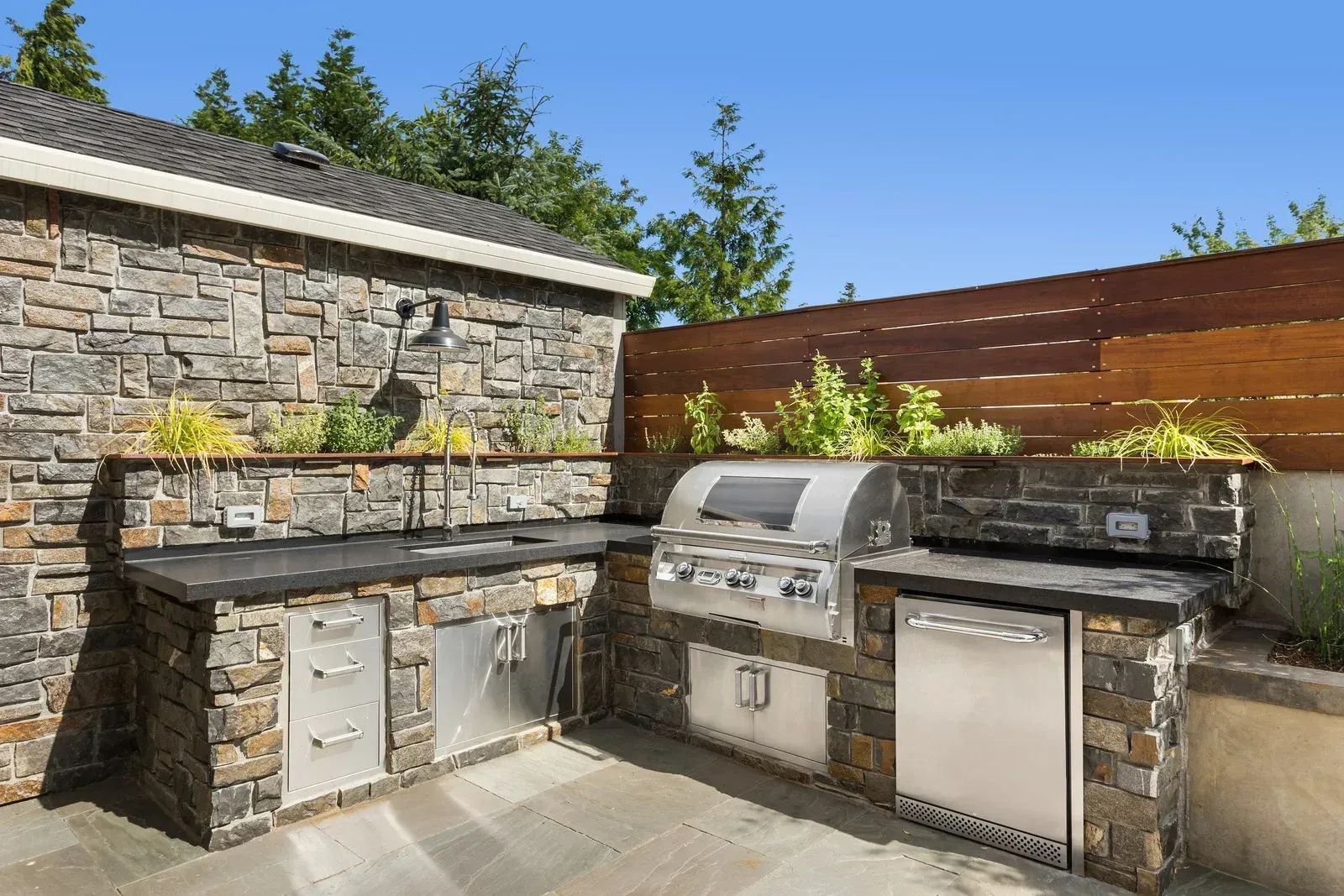
Adding an outdoor kitchen elevates functionality and appeals to homeowners who enjoy entertaining. Incorporating a grill, countertop, sink, and storage creates a full-service dining experience. Paired with a dining table or bar seating, this area becomes a social hub.
Fire Pits and Fireplaces
Fire elements add warmth, both literally and visually. They encourage year-round use, offering a focal point for gatherings and enhancing the ambiance. Consider options ranging from built-in stone fireplaces to portable fire pits with seating arranged around them.
Pergolas, Gazebos, and Shade Structures
Shade structures provide both comfort and architectural interest. Pergolas can support climbing plants, creating natural beauty, while gazebos offer enclosed privacy. These structures define spaces, making them feel intentional and well-planned.
Water Features and Landscaping
Incorporating fountains, ponds, or small waterfalls can introduce tranquility and soft sounds, contributing to a serene atmosphere. Landscaping, including flower beds, shrubs, and trees, frames the outdoor area, creating depth and enhancing curb appeal.
Real-World Scenario
A family in suburban Missouri transformed their backyard with a pergola-covered dining area, a stone fire pit, and a small water fountain. This combination of features not only became the go-to space for hosting events but also significantly increased the visual appeal when viewed from the street.
4. Challenges in Creating Outdoor Living Spaces
Budget Considerations
High-quality outdoor spaces require an investment in materials, labor, and planning. Homeowners must balance cost with durability and long-term value. A phased approach—starting with essential features and adding enhancements over time—can help manage expenses without compromising quality.
Climate and Environmental Factors
Weather and local climate influence material choice and design. For example, areas with heavy rainfall need proper drainage systems, while sunny regions require shade and UV-resistant materials. Selecting features that endure local environmental conditions ensures longevity and reduces maintenance costs.
Maintenance Requirements
While many outdoor materials are designed for durability, maintenance is inevitable. Stone patios require periodic sealing, wood decks need refinishing, and furniture should be cleaned and covered. Understanding maintenance needs before installation prevents frustration and preserves appearance.
Professional Guidance
Engaging a professional designer or contractor can mitigate challenges. Experts offer insights into local regulations, soil conditions, drainage solutions, and optimal material selection, ensuring a successful project that meets both aesthetic and functional goals.
5. Best Practices for Maximizing Curb Appeal
Harmonizing Design with Architecture
The outdoor living space should complement the home’s architectural style. A modern home benefits from sleek, minimalistic designs, while traditional homes pair well with classic stonework and rustic elements. Consistency reinforces the sense of cohesion and elevates curb appeal.
Strategic Planting and Greenery
Plants soften hardscaping, add color, and provide seasonal interest. Use layers of plantings to create depth, incorporate evergreen species for year-round greenery, and consider flowering plants to introduce pops of color. Plan for scale to ensure plants do not overwhelm the space.
Functional Yet Attractive Furniture
Furniture should serve its purpose while contributing to aesthetics. Modular seating, built-in benches, or dining sets with weather-resistant cushions create comfortable, inviting areas. Opt for neutral tones with accent pieces that reflect personal style without clashing with the overall design.
Incorporating Unique Touches
Custom elements, such as personalized signage, decorative sculptures, or outdoor artwork, add character and individuality. These details make the space memorable and can become conversation starters, reinforcing the impression of a thoughtful, well-designed home.
Real-World Example
In a Saint Louis neighborhood, homeowners installed a multi-level deck with integrated seating, a water feature, and strategic lighting. By aligning design choices with their home’s brick exterior and surrounding landscape, they achieved a cohesive look that drew admiration from neighbors and visitors alike.
6. Enhancing Functionality for Everyday Use
Multi-Purpose Spaces
Design outdoor areas to accommodate a variety of activities. A patio can host meals, reading sessions, or yoga, while a deck with a pergola can serve as a lounge, dining, or workspace. Flexibility ensures the space remains relevant to changing needs.
Storage Solutions
Incorporating hidden storage, such as benches with compartments or cabinets in outdoor kitchens, keeps the area organized. Clutter-free spaces appear more inviting and well-maintained, further enhancing curb appeal.
Connectivity with Indoor Spaces
Creating seamless transitions from indoors to outdoors improves usability. Sliding glass doors, French doors, or large windows maintain visual flow, encourage use of the outdoor area, and make the home feel larger and more integrated with its surroundings.
Lighting and Safety Considerations
Beyond ambiance, lighting enhances safety. Well-lit pathways, stairs, and steps reduce accidents, while motion-sensor lights provide security. Combining safety with aesthetics ensures the space is both practical and appealing.
Seasonal Adaptations
Planning for year-round use adds value. Include features such as retractable awnings, portable heaters, or fire elements to adapt to seasonal changes. These adaptations maximize investment while providing consistent enjoyment.
Transform Your Home with Outdoor Living Excellence
Investing in a custom outdoor living space is a strategic way to boost curb appeal, enhance daily living, and increase property value. By carefully designing layouts, selecting durable materials, and integrating key features such as fire pits, outdoor kitchens, and landscaping, homeowners can create inviting and functional areas that impress visitors and prospective buyers alike. Proper planning, attention to climate considerations, and professional guidance ensure that these spaces are both aesthetically pleasing and long-lasting.
At Inspire Design & Build, we specialize in creating custom outdoor living solutions that seamlessly blend beauty and functionality. Based in Saint Louis, Missouri, our team brings 30 years of experience transforming ordinary outdoor areas into stunning, high-performing spaces. From concept to completion, we focus on quality craftsmanship, innovative design, and client satisfaction. Our expertise ensures that every project not only enhances curb appeal but also provides lasting value and enjoyment for years to come. Trust Inspire Design & Build to bring your dream outdoor living space to life.