What Are the Best Materials for a Patio?
January 16, 2026
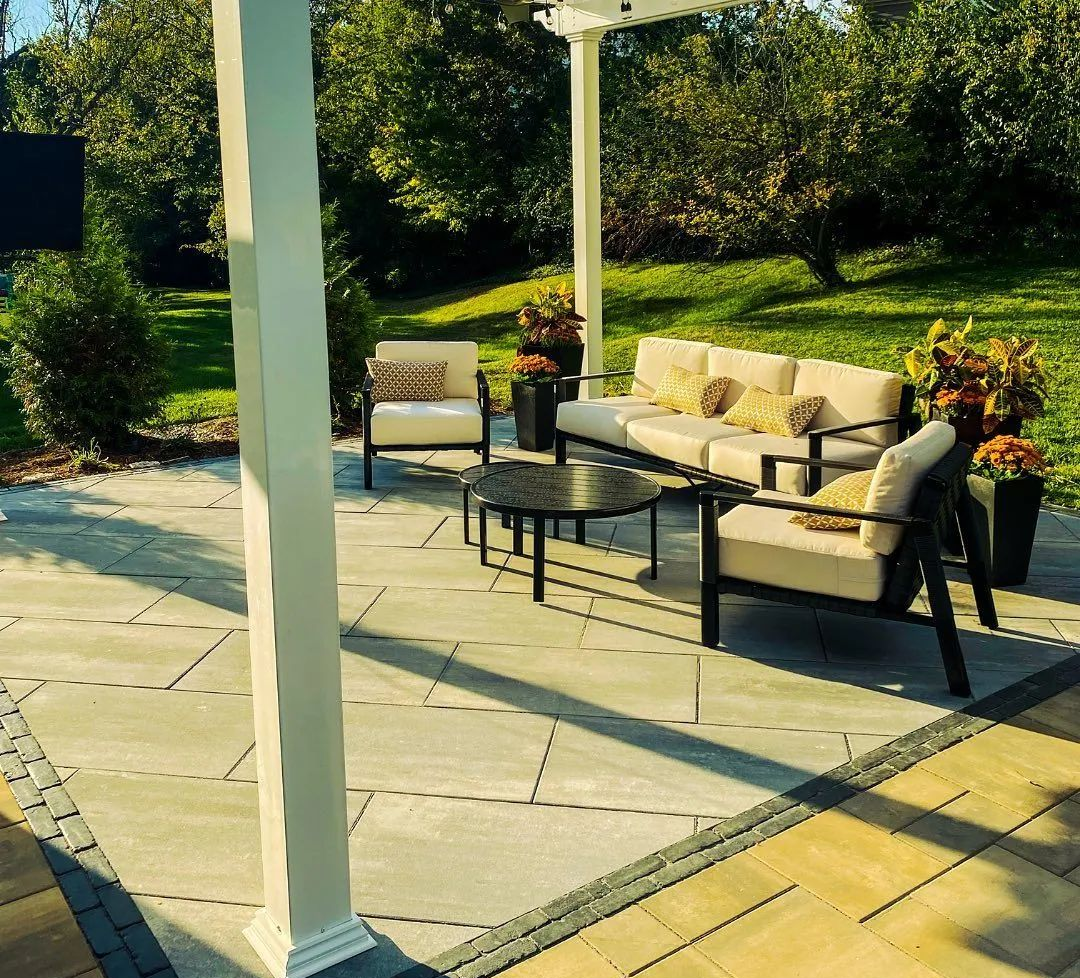
A patio is more than just an outdoor space—it serves as an extension of your home, a place for relaxation, social gatherings, and entertainment. The right patio material not only enhances the aesthetics of your property but also impacts durability, maintenance, and overall functionality. With a growing emphasis on outdoor living, homeowners are investing in patios that complement their lifestyle and elevate their home’s curb appeal. Choosing the best material requires careful consideration of design preferences, climate conditions, budget, and long-term maintenance needs.
The market today offers a wide range of patio materials, each with unique advantages and challenges. From traditional natural stone to contemporary composite decking, the options are extensive. Making an informed choice involves understanding how different materials perform over time, their resistance to weather, and their compatibility with your home’s architecture. This guide explores the best materials for patios, offering insights into their benefits, potential drawbacks, and practical applications. Whether you are building a new patio or upgrading an existing one, this information will help you select a material that balances aesthetics, functionality, and longevity, ensuring your outdoor space remains both beautiful and resilient for years to come.
1. Concrete Patios
Benefits of Concrete Patios
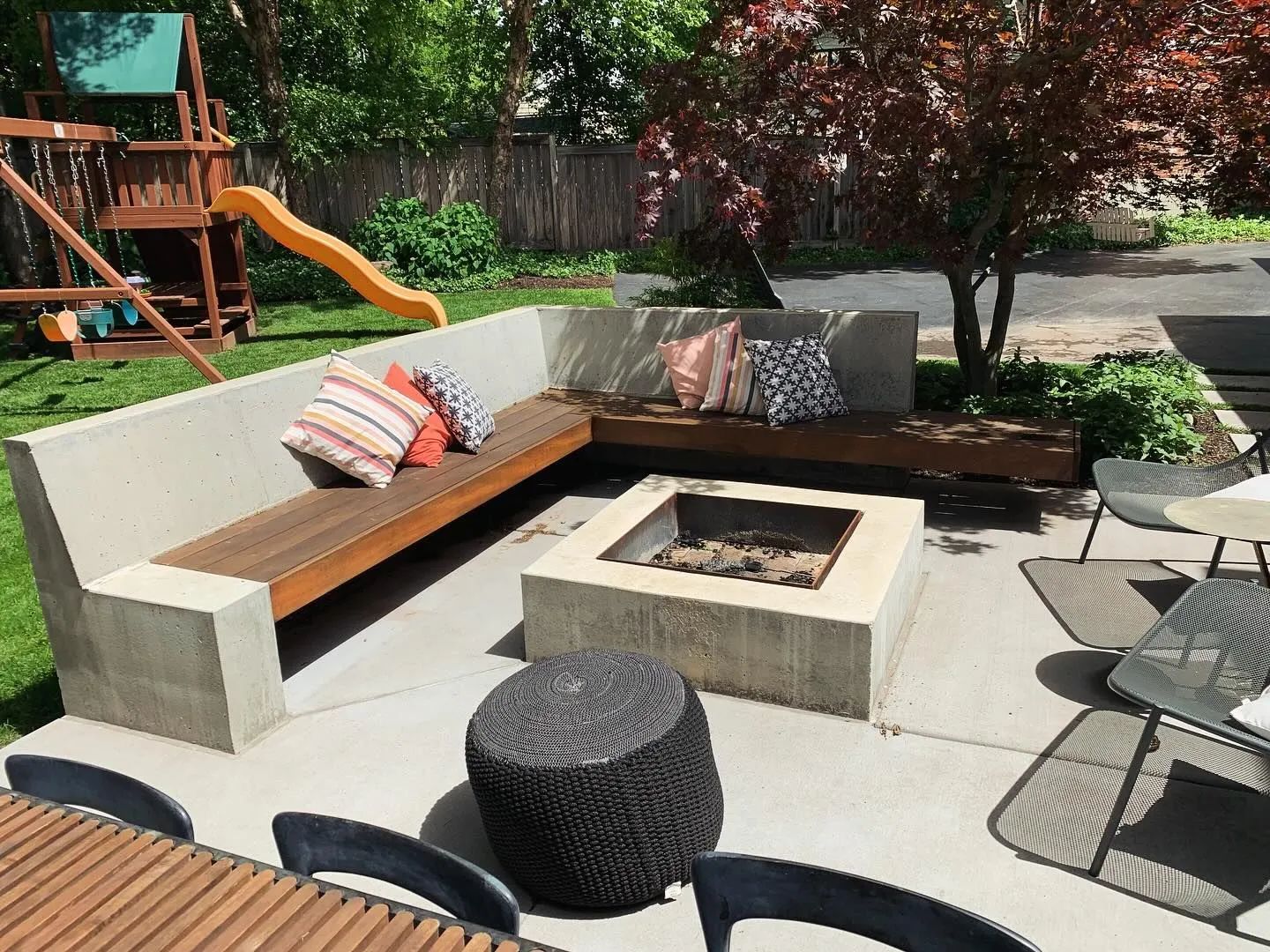
Concrete remains one of the most popular choices for patios due to its versatility, durability, and affordability. Homeowners appreciate concrete for its ability to be poured into any shape, allowing for custom designs, from sleek modern patios to intricate stamped patterns mimicking natural stone or brick. Its low maintenance requirements make it an attractive option, as it resists rot, pests, and moisture damage that can plague other materials.
In terms of longevity, a well-installed concrete patio can last for decades. Its strength makes it suitable for heavy furniture, grills, and high foot traffic areas. Modern finishing techniques such as exposed aggregate, broom finishes, or staining provide aesthetic flexibility while enhancing traction and reducing slip hazards.
Challenges and Considerations
Despite its many advantages, concrete does come with challenges. It can crack over time due to settling, freeze-thaw cycles, or heavy loads. Sealing the surface every few years is recommended to prevent staining and maintain durability. Additionally, concrete can become hot under direct sunlight, which might require the use of outdoor rugs or shaded areas for comfort during summer months.
Best Practices for Concrete Patios
To maximize performance, ensure proper subgrade preparation and drainage to prevent water pooling. Using control joints can help manage cracking, while professional finishing ensures a smooth, long-lasting surface. Homeowners should also consider combining concrete with decorative features like pavers, stone inlays, or integrated lighting to enhance visual appeal.
2. Natural Stone Patios
Popular Types of Stone
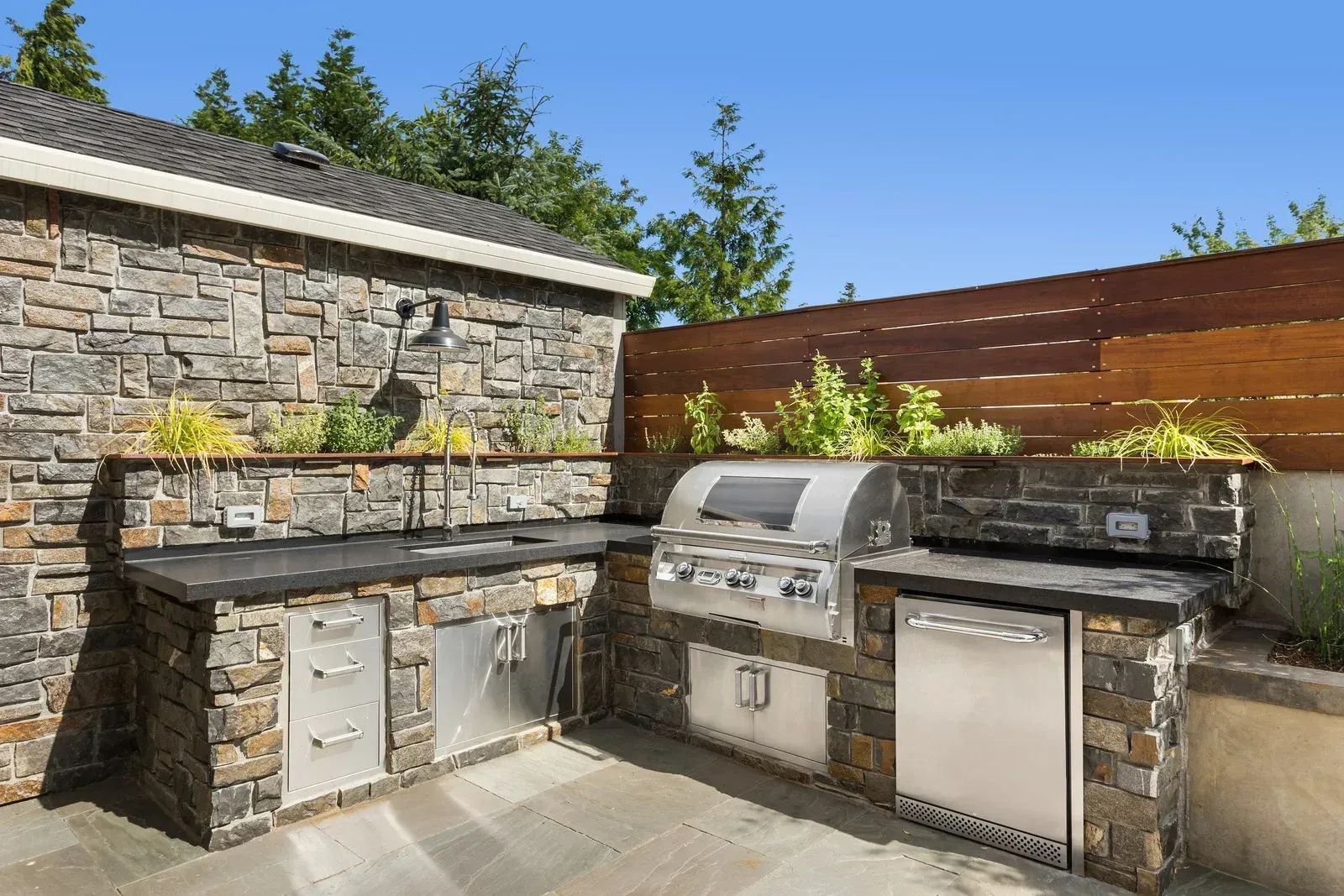
Natural stone patios are prized for their timeless elegance and unique appearance. Common options include slate, bluestone, flagstone, limestone, and travertine. Each stone has distinct colors, textures, and patterns, allowing homeowners to create visually striking outdoor spaces that complement their home’s architecture.
Benefits of Stone Patios
Durability is a key advantage of natural stone. Stones like granite and bluestone withstand heavy use and harsh weather conditions, ensuring a long-lasting patio. Natural stone also provides a non-slip surface, ideal for outdoor areas prone to rain or near pools. The inherent variations in stone add visual interest and create a natural, organic feel that other materials may not replicate.
Challenges and Maintenance
While beautiful, natural stone patios can be more expensive than alternatives like concrete or pavers. Installation requires professional expertise to ensure proper leveling and spacing. Some stones, such as limestone or sandstone, may be porous and require periodic sealing to prevent staining. Uneven surfaces can also pose a tripping hazard if not properly installed.
Best Practices for Stone Patios
To ensure longevity, choose stones suited for your climate, particularly if you experience freeze-thaw cycles. Proper subbase preparation, adequate drainage, and sealing can protect the stone from damage and staining. Combining stone with complementary materials, like gravel or brick borders, can enhance both functionality and aesthetics.
3. Brick Patios
Benefits of Brick Patios
Brick patios offer a classic, charming appeal that works well with both traditional and contemporary home styles. They are durable, fire-resistant, and can handle high foot traffic without losing their structural integrity. Brick is versatile, allowing for creative patterns such as herringbone, basketweave, or running bond, which can make a patio a focal point of your outdoor space.
Challenges and Maintenance
Although brick is strong, it can shift or crack if the foundation is not properly prepared. Mortar joints may deteriorate over time and require periodic attention. Bricks are also porous, so sealing is recommended to prevent staining, moss, or algae buildup, especially in damp climates.
Best Practices for Brick Patios
Proper installation starts with a well-compacted base and a sand or gravel sublayer to provide stability. Using edge restraints ensures bricks stay in place over time. Regular maintenance, including sweeping and sealing, will preserve the patio’s appearance and longevity. Brick patios pair well with garden landscaping, water features, or outdoor fireplaces, enhancing the overall charm of your backyard.
4. Wood and Composite Decking Patios
Benefits of Wood Patios
Wood patios provide warmth and natural beauty, creating inviting outdoor spaces. Popular choices include cedar, redwood, and pressure-treated pine. Wood is versatile, allowing homeowners to customize designs with various shapes, stains, and finishes. It complements garden landscapes and outdoor furniture, adding a natural aesthetic that is difficult to replicate with synthetic materials.
Composite Decking Advantages
Composite materials, made from a mix of wood fibers and recycled plastics, offer a low-maintenance alternative to natural wood. They resist rot, insects, and weather damage, and do not require regular staining or sealing. Composite decking is also available in a variety of colors and textures, mimicking the look of natural wood without the associated upkeep.
Challenges and Maintenance
Wood requires regular sealing, staining, or painting to prevent moisture damage, warping, and insect infestations. Composite decking, while low-maintenance, can be prone to fading and may be more expensive upfront than wood. Both materials require a stable substructure and proper drainage to avoid water damage over time.
Best Practices for Wood and Composite Patios
Ensure boards are spaced correctly for water runoff, and inspect regularly for splinters, cracks, or warping. Using high-quality fasteners and finishes extends the lifespan of the patio. Blending wood or composite with stone, gravel, or planters can enhance the visual appeal and create a cohesive outdoor living space.
5. Paver Patios
Benefits of Paver Patios
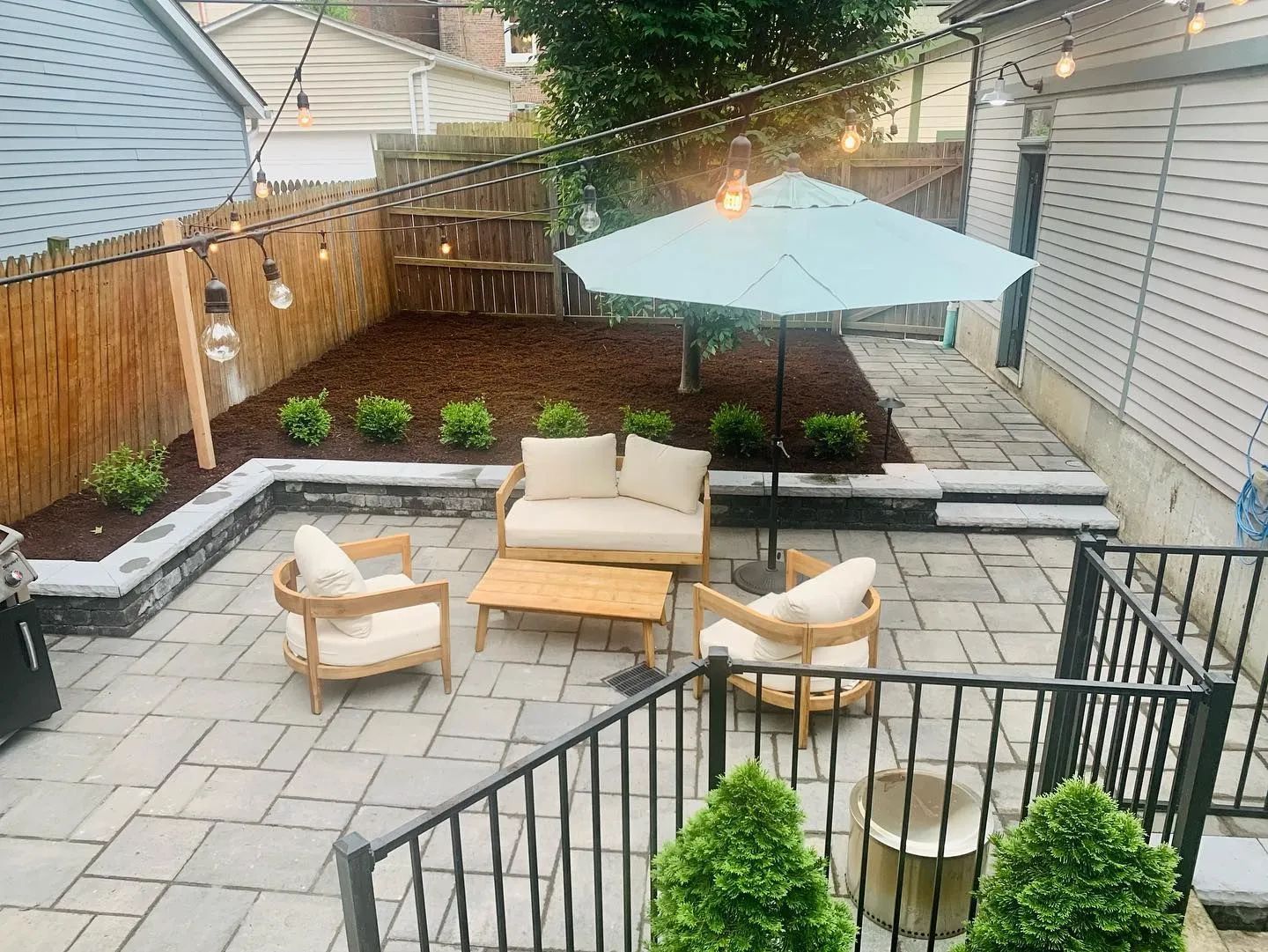
Paver patios, made from concrete, brick, or natural stone pavers, offer versatility and aesthetic appeal. They come in a wide range of shapes, sizes, and colors, making it easy to create custom designs, including intricate patterns or borders. Pavers are strong, durable, and can handle heavy furniture, grills, and foot traffic without cracking.
Challenges and Maintenance
Although pavers are durable, improper installation can lead to uneven surfaces or shifting. Weeds can grow in joints if not filled properly with polymeric sand. Additionally, some pavers may require sealing to maintain color vibrancy and prevent staining.
Best Practices for Paver Patios
Start with a solid base of compacted gravel and sand, ensuring proper leveling and drainage. Use edge restraints to prevent paver movement. For long-term durability, fill joints with polymeric sand and seal the surface as needed. Paver patios integrate well with landscaping, fire pits, or water features, providing both functionality and beauty.
6. Additional Considerations for Choosing Patio Materials
Climate and Weather
When selecting patio materials, consider your local climate. In areas with heavy rainfall or freeze-thaw cycles, durable, non-porous materials like concrete, stone, or composite decking are preferable. Heat-prone regions may benefit from materials that stay cool underfoot, such as stone or light-colored concrete.
Maintenance Requirements
Evaluate your willingness and ability to perform regular maintenance. Wood patios need consistent care, while concrete, stone, and composite options are generally lower-maintenance. Paver patios fall in between, requiring occasional sealing and weed control.
Budget and Longevity
Balancing upfront costs with long-term durability is crucial. Concrete and pavers offer cost-effective, long-lasting solutions. Natural stone may have a higher initial investment but provides exceptional durability and aesthetic value. Wood and composite options vary widely in price depending on species or material quality.
Partner with Experts for a Timeless Patio
Choosing the best material for your patio is an investment in your home’s outdoor lifestyle. Each material offers unique benefits, from the versatility and affordability of concrete to the natural elegance of stone, the classic charm of brick, and the inviting warmth of wood or composite decking. Pavers provide flexibility in design and durability, while thoughtful consideration of climate, maintenance, budget, and aesthetics ensures your patio serves both functional and decorative purposes. By understanding the strengths and limitations of each material, homeowners can make informed decisions that maximize the longevity, usability, and beauty of their outdoor living spaces.
For homeowners in Saint Louis and surrounding areas looking to elevate their outdoor living, Inspire Design & Build
brings over 30
years of experience in
creating custom patios
that perfectly blend design, durability, and lifestyle. Our team of experts guides clients through every step—from selecting the ideal materials to professional installation—ensuring that each patio meets your functional needs and design vision. By partnering with Inspire Design & Build, you can transform your backyard into a space that not only enhances your home’s aesthetic appeal but also serves as a lasting investment for your family and guests. Trust our expertise to deliver a patio that combines beauty, resilience, and exceptional craftsmanship, making your outdoor living dreams a reality.